ما هو طلاء حاجز إستر الفينيل وكيف يمنع التقرحات الأسموزية؟
Osmotic blistering is one of the most feared problems in fiberglass boat construction. It occurs when water molecules slowly permeate through the gelcoat and into the fiberglass laminate, where they dissolve water-soluble compounds, creating an osmotic pressure differential that draws in more water. Over time, this pressure is sufficient to form blisters between the gelcoat and the laminate.
Why Does Blistering Happen?
The primary culprits are:
- The inherently moderate water permeability of standard orthophthalic polyester resin
- Water-soluble compounds present in the cured resin (residual glycols, acids from incomplete cure)
- Micro-voids and air inclusions in the laminate that act as water collection points
The Vinyl Ester Barrier Coat Solution
A vinyl ester barrier coat works on two principles:
- Low Water Permeability: Vinyl ester resins, by their molecular structure, are significantly less permeable to water than polyester resins. The epoxy backbone of vinyl ester creates a much denser, more hydrophobic molecular network.
- Chemical Purity: Vinyl ester formulations contain far fewer water-soluble by-products than polyester, removing the osmotic driving force even if small amounts of water do penetrate.
Application Protocol
For maximum blister protection on a new boat hull:
- Apply the ISO-NPG gelcoat as the outermost decorative layer
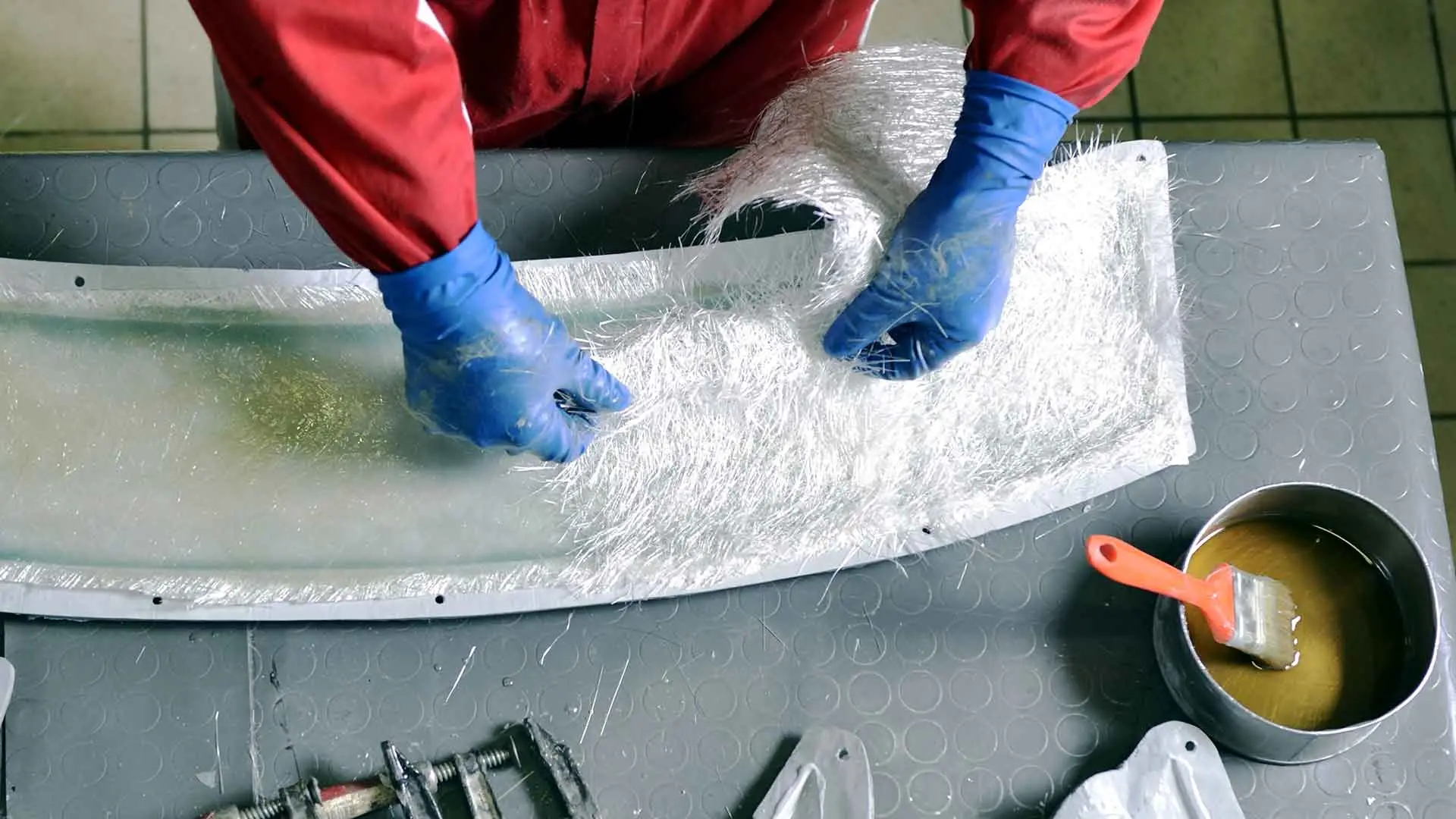
- Apply 2 to 3 layers of vinyl ester resin laminate immediately behind the gelcoat as a dedicated barrier laminate
- Complete the structural hull laminate with isophthalic polyester
For blister repair on existing hulls, the gelcoat and compromised laminate are removed, the hull is dried thoroughly, and then new vinyl ester layers are applied as a protective barrier before re-gelcoating.