Chopped Strand Mat (CSM) vs Woven Roving: Which Fiberglass Reinforcement to Use?
When building a fiberglass composite, the reinforcement is just as important as the resin. The two most common forms of glass fiber reinforcement are Chopped Strand Mat (CSM) and Woven Roving (WR). Each serves a distinct purpose in the laminate structure.
Chopped Strand Mat (CSM)
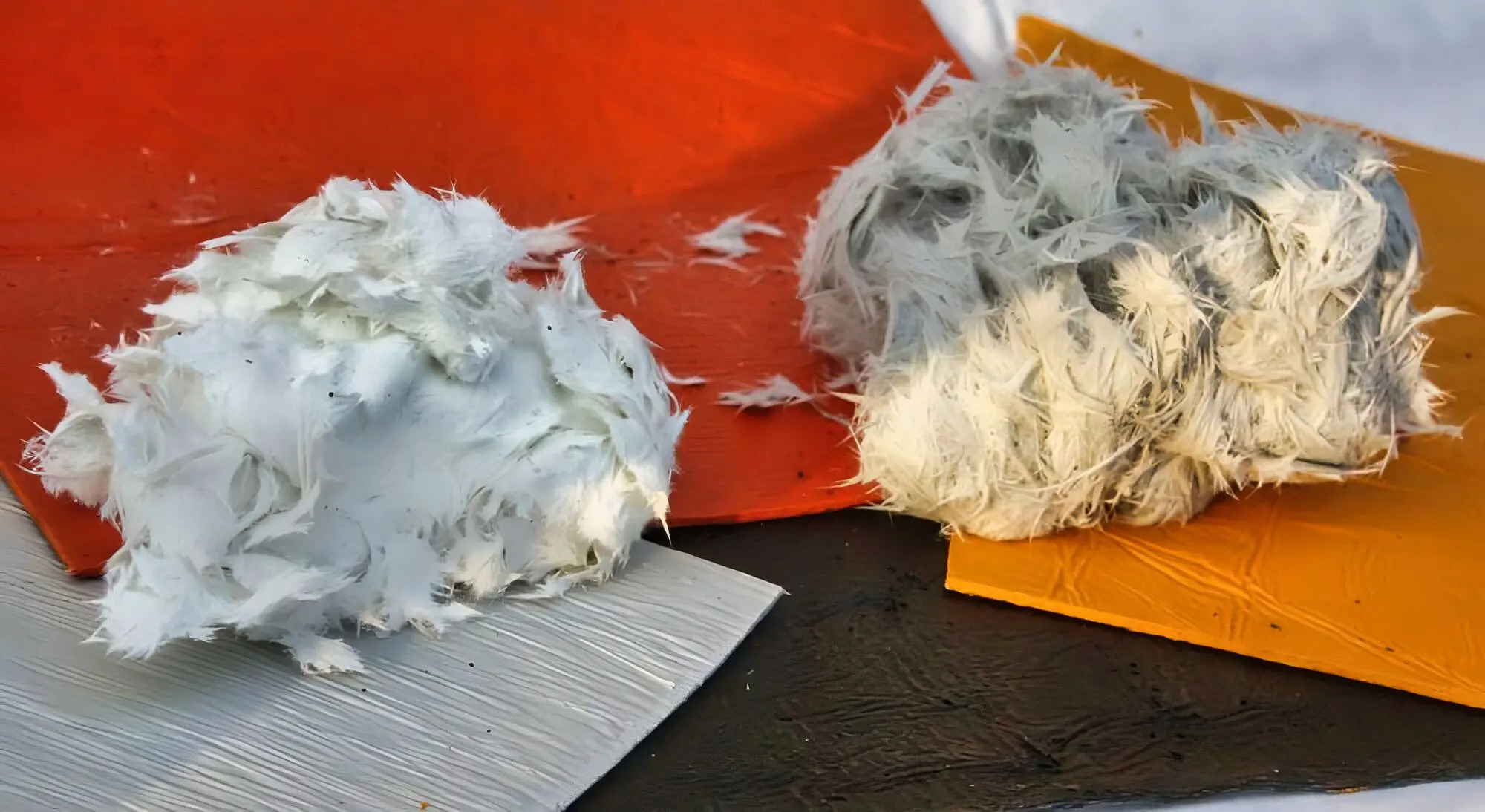
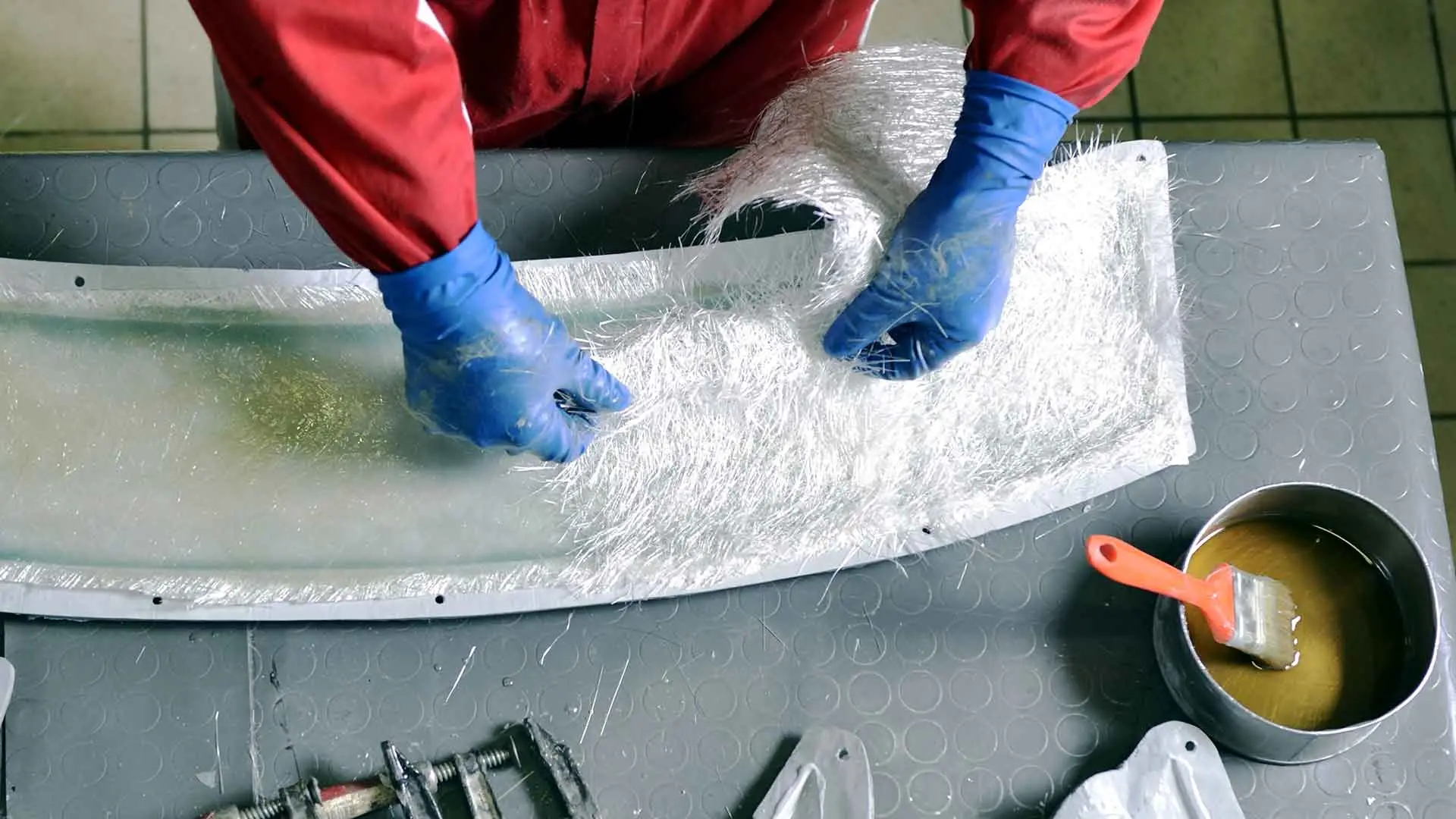
CSM consists of randomly oriented short glass fiber strands (typically 50mm long) held together by a chemical binder. It is available in various areal weights from 225 g/m2 to 900 g/m2.
- Strengths: Conforms easily to complex shapes. Provides equal strength in all directions (isotropic). Creates a smooth, resin-rich surface layer. Low cost.
- Limitations: Lower mechanical strength than woven reinforcements. Higher resin consumption (typical glass-to-resin ratio is 30:70 by weight).
- Best For: First layer behind gelcoat (print-through prevention), complex mold shapes, general-purpose laminating, and corrosion barrier layers in chemical equipment.
Woven Roving (WR)
WR consists of heavy bundles (rovings) of continuous glass fibers woven into a coarse fabric. Standard weights range from 400 g/m2 to 800 g/m2.
- Strengths: Much higher mechanical strength and stiffness. Excellent glass-to-resin ratio (50:50 or higher). Builds thickness quickly.
- Limitations: Does not conform well to tight curves. Can print through a thin gelcoat layer. More expensive per square meter.
- Best For: Structural layers where maximum strength is needed (boat hulls, tanks, structural beams).
The Ideal Laminate Schedule
Professional laminators typically alternate layers: CSM behind the gelcoat (for surface quality), then alternating WR and CSM layers. The CSM between woven layers provides interlaminar bonding and prevents delamination.