Fiberglass Resin and Hardener: Mixing Ratios, Tips, and Common Mistakes
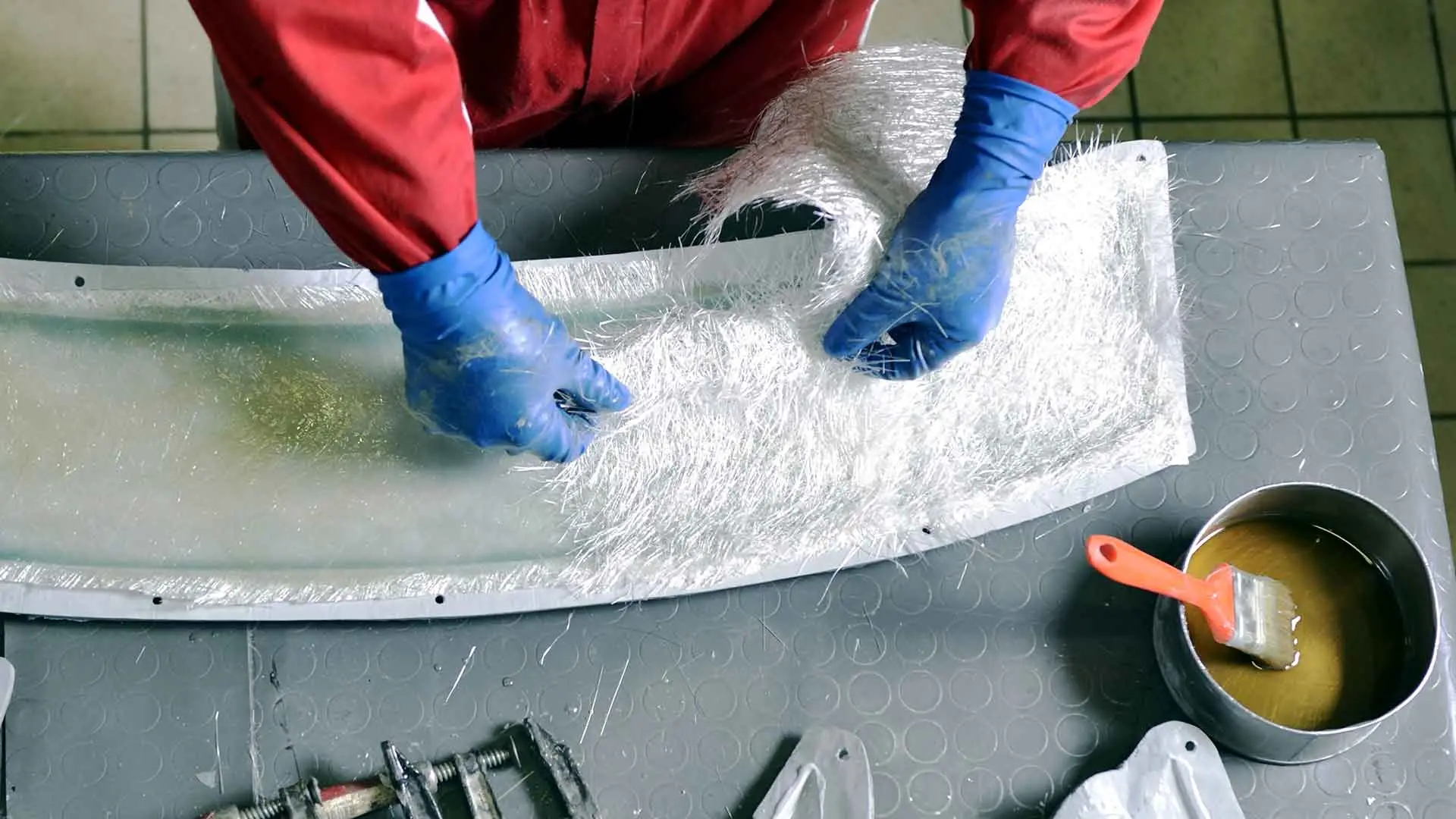
Fiberglass resin and hardener form a two-component curing system. The resin provides the liquid polymer matrix, and the hardener (catalyst) triggers the chemical reaction that transforms it into a solid, durable composite. Getting the mixing ratio right is the single most important step in any fiberglass project.
Understanding the Components
- Resin: An unsaturated polyester or vinyl ester liquid containing dissolved styrene monomer. It remains liquid until a catalyst is added.
- Hardener (Catalyst / MEKP): Methyl Ethyl Ketone Peroxide is the most common catalyst. It triggers a free-radical chain reaction that cross-links the polyester molecules.
Standard Mixing Ratio
The typical catalyst ratio for polyester resin is 1% to 2% by weight of MEKP to resin. For example:
- 1 kg of resin requires 10 ml to 20 ml of MEKP catalyst.
- In warm conditions (above 25 degrees Celsius), use the lower end (1%) to avoid too-fast gelling.
- In cool conditions (below 15 degrees Celsius), use the higher end (2%) or consider warming the resin.
Common Mistakes to Avoid
- Too much catalyst: Causes a violent exothermic reaction, cracking, yellowing, and a brittle cure.
- Too little catalyst: Resin remains soft, tacky, or never fully cures (under-cure).
- Poor mixing: Inadequate stirring leaves uncatalyzed pockets, creating soft spots in the laminate.
- Mixing too large a batch: Large volumes of catalyzed resin generate dangerous levels of heat. Mix only what you can use within 15-20 minutes.