FRP Pipes and Tanks: A Guide to Corrosion-Resistant Storage Solutions
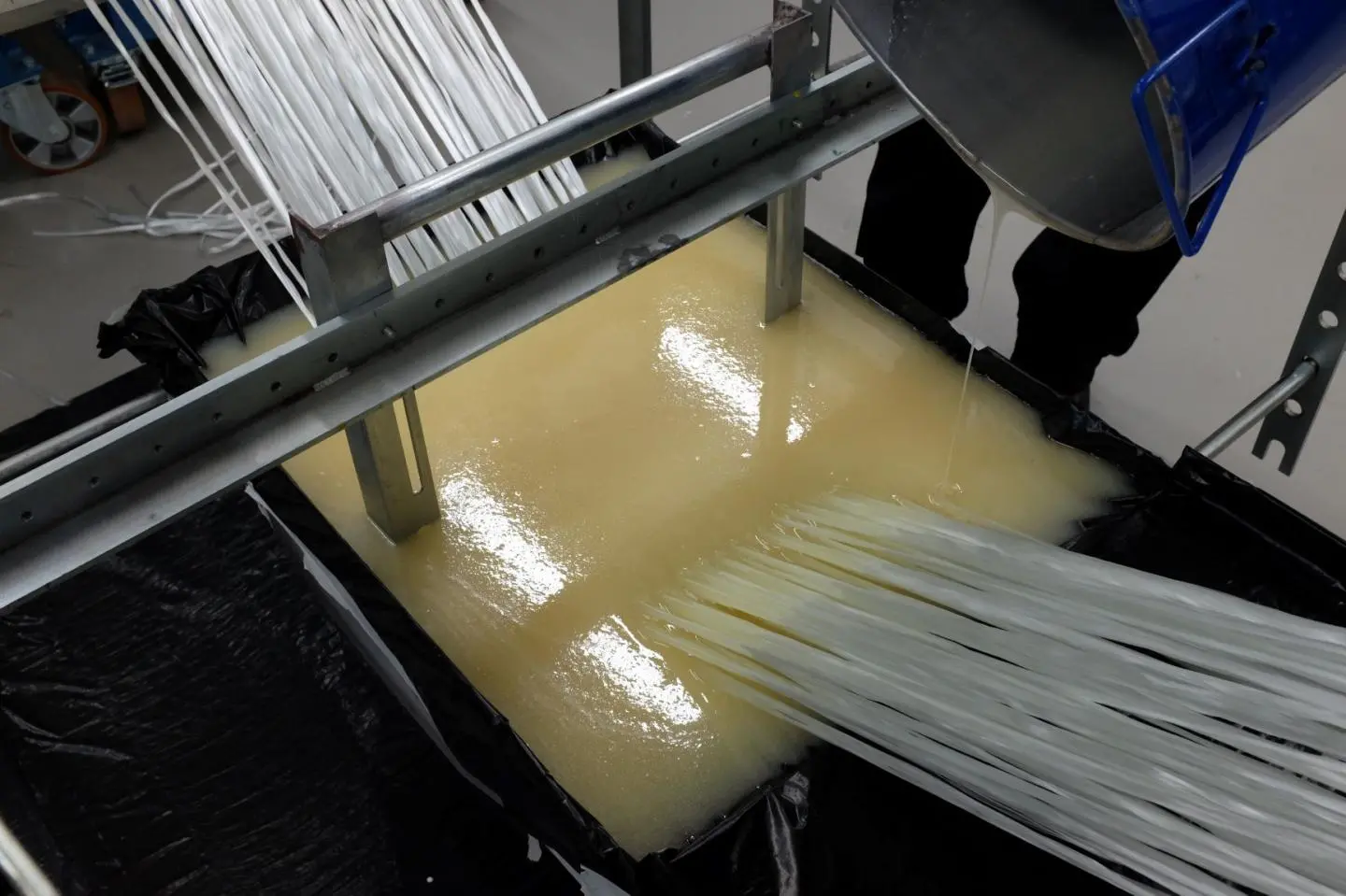
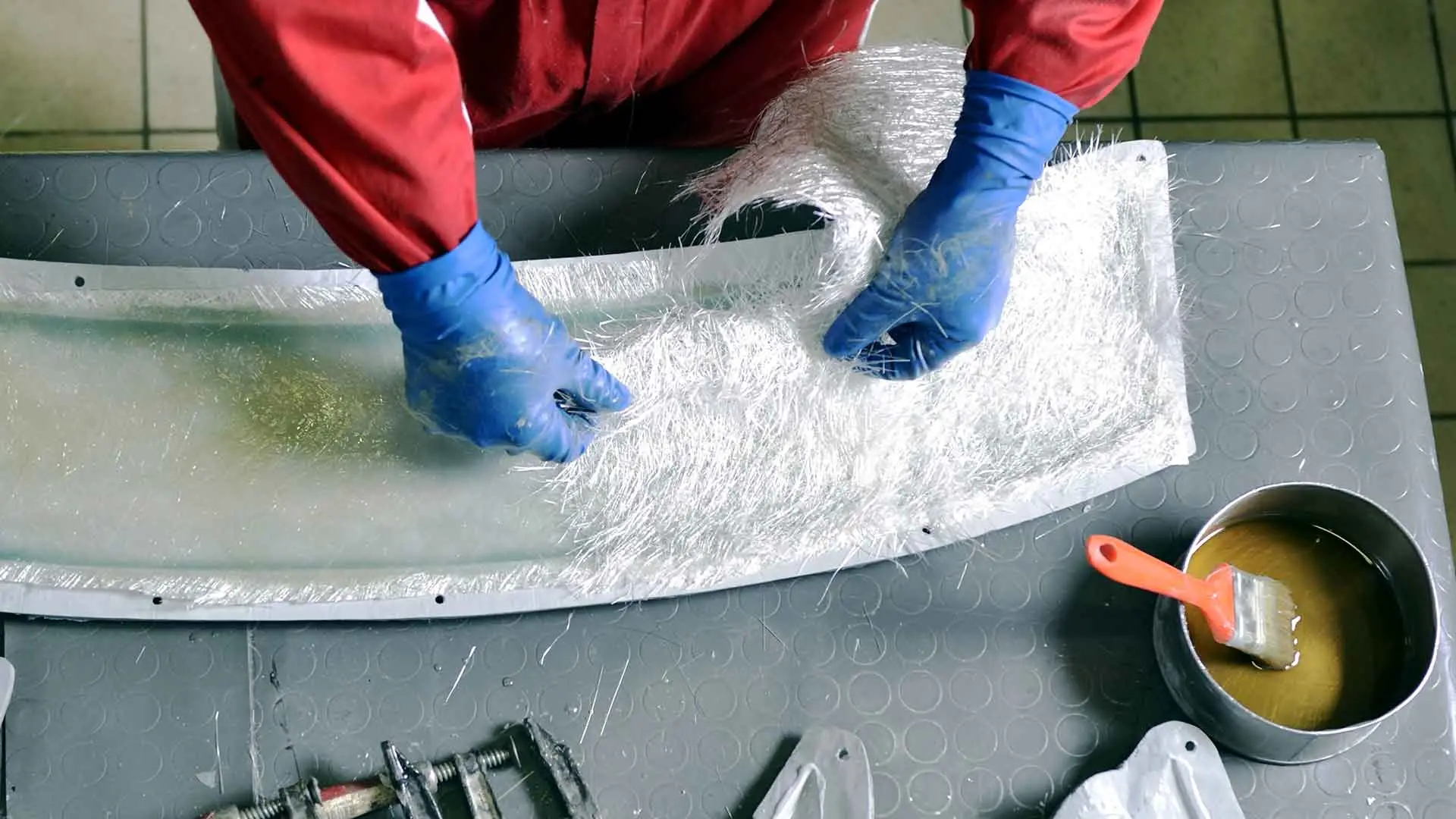
Fiber-Reinforced Polymer (FRP) pipes and tanks are engineered industrial products manufactured by combining a thermosetting resin matrix with continuous glass fiber reinforcement. They are rapidly replacing traditional steel and concrete structures in harsh industrial environments.
Why Engineers Specify FRP Over Steel
- Corrosion Resistance: FRP does not rust or corrode when exposed to water, acids, alkalis, and most industrial chemicals, making it ideal for water treatment, chemical processing, and offshore environments.
- Lightweight Structure: FRP is approximately 75% lighter than steel, which reduces foundation load requirements, transportation costs, and installation time significantly.
- Long Service Life: A properly designed FRP installation can provide 30 to 50 years of service in aggressive chemical environments.
- Smooth Inner Surface: The naturally smooth bore of FRP pipe reduces friction losses, improving flow efficiency compared to corroded steel pipe.
- Low Lifecycle Cost: The elimination of painting, anti-corrosion treatments, and frequent replacement cycles makes FRP more economical over a 20-year horizon.
Choosing the Right Resin Liner
The inner liner resin determines the chemical resistance of the vessel:
- Isophthalic Polyester: Suitable for clean water service, mild acids, and most neutral chemicals.
- Standard Vinyl Ester: Excellent for concentrated acids, alkalis, solvents, and bleaching chemicals. The preferred choice for chemical plants.
- Novolac Vinyl Ester: For the most demanding applications including concentrated hydrochloric and sulfuric acid service at elevated temperatures.