General Purpose Polyester Resin (GP Resin): Applications, Benefits, and Limitations
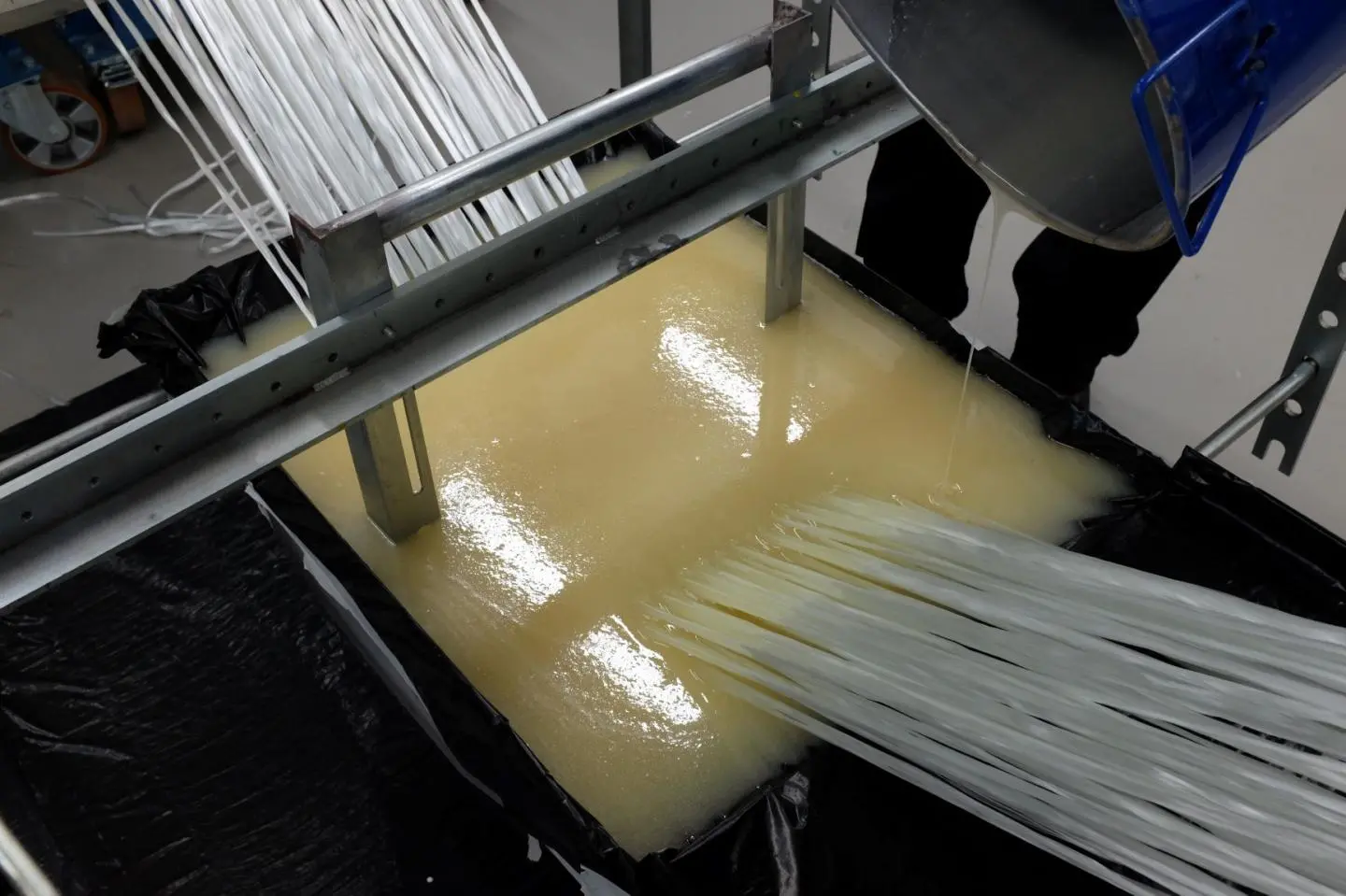
General Purpose Polyester Resin (commonly abbreviated as GP resin or Ortho GP resin) is the most widely produced and sold type of unsaturated polyester resin globally. It is the standard, entry-level commercial resin formulated with orthophthalic acid (hence also called orthophthalic resin or ortho resin) as a key raw material.
Why GP Resin Dominates the Market
- Lowest Cost: Orthophthalic acid (OPA) is the most economical of the dicarboxylic acids used in resin synthesis. GP resin is therefore the most affordable commercial resin available.
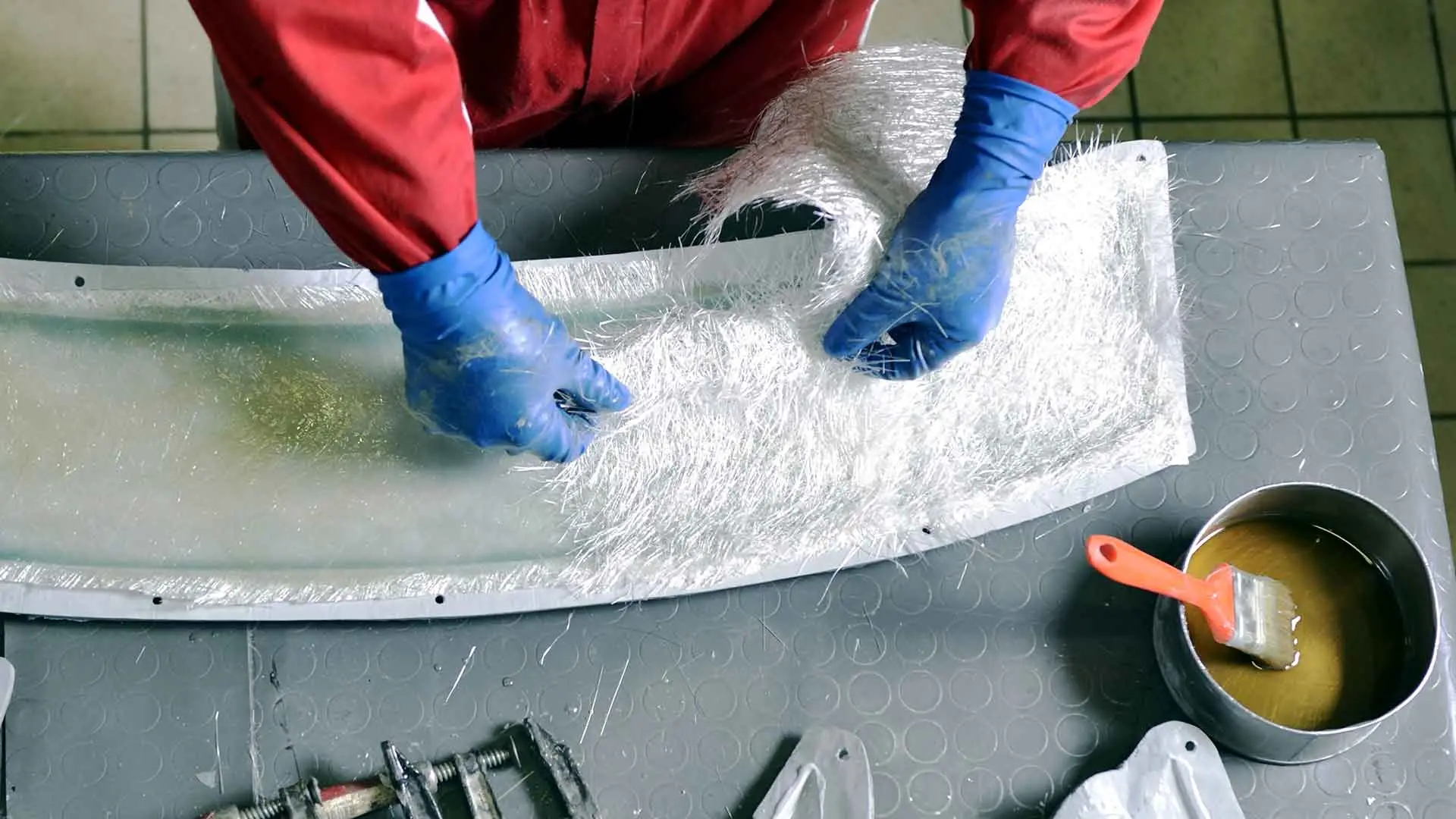
- Ease of Use: GP resin has well-understood, predictable handling characteristics. It wets out glass fibers efficiently and cures readily at room temperature with standard MEKP catalyst systems.
- Wide Availability: It is produced in large quantities by manufacturers worldwide, ensuring consistent supply and competitive pricing.
- Good General Mechanical Properties: For non-critical structural applications, GP resin provides adequate tensile strength, flexural modulus, and hardness.
Limitations of GP Resin
- Lower Water Resistance: Ortho resin absorbs more water over time compared to iso and vinyl ester resins, making it unsuitable for continuous water immersion (marine below-waterline use).
- Lower Chemical Resistance: Not recommended for contact with acids, alkalis, or solvents in industrial chemical environments.
- Higher Shrinkage: Compared to iso resins, ortho resins typically shrink slightly more during cure.
Ideal Applications for GP Resin
FRP panels for construction and roofing, automotive body filler (topcoat resin), non-structural decorative items, furniture, laminating above-waterline marine components, and general workshop fabrication projects.