GFRP Material: Properties, Composition, and Applications
GFRP (Glass Fibre Reinforced Polymer), commonly known as fiberglass, is a composite material made of a plastic matrix reinforced with glass fibers. It is one of the most widely used composite materials in the world due to its excellent strength-to-weight ratio and versatility.
Composition of GFRP:
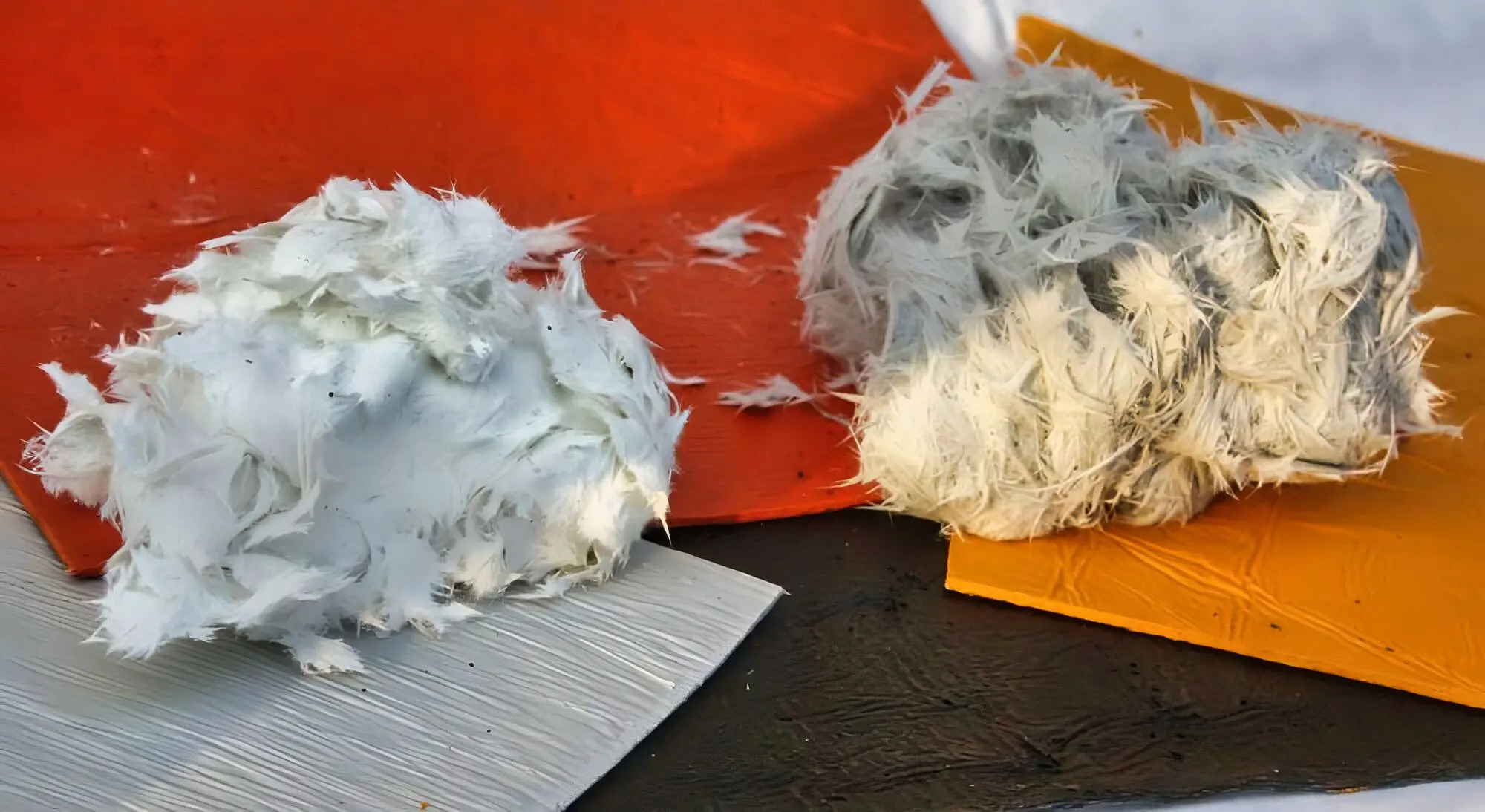
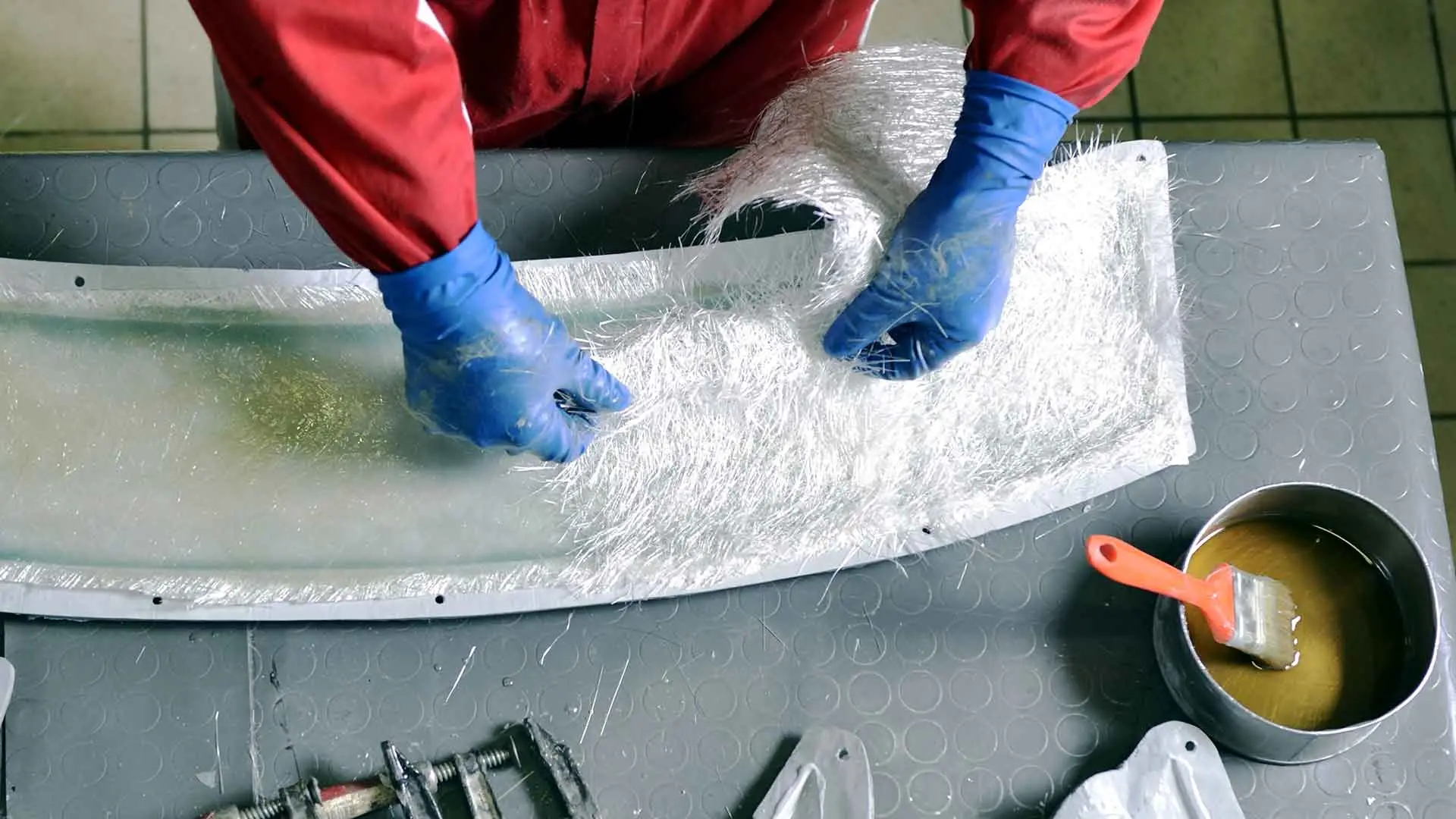
- Glass Fiber Reinforcement: Glass fibers provide the primary structural strength. They are available in various forms: chopped strand mat (CSM), woven roving, biaxial fabrics, and unidirectional tapes. E-glass (electrical glass) is the most common type.
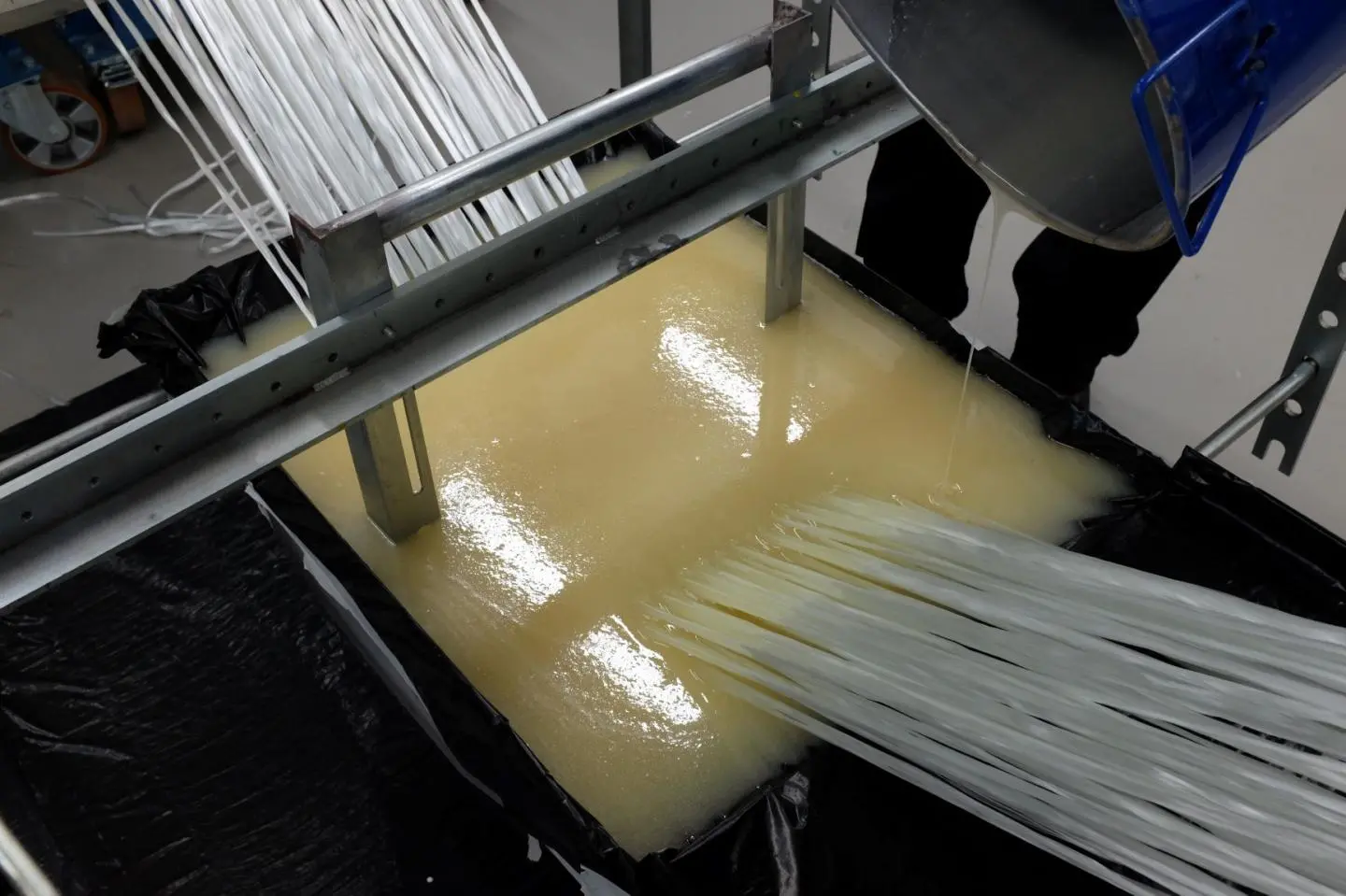
- Polymer Matrix (Resin): The resin binds the fibers together, transfers loads between them, and protects the fibers from environmental damage. Common resins include orthophthalic polyester, isophthalic polyester, vinyl ester, and epoxy.
Key Properties of GFRP:
- High Strength-to-Weight Ratio: GFRP is significantly lighter than steel but can achieve comparable tensile strength in its fiber direction.
- Corrosion Resistance: Unlike metals, GFRP does not rust, oxidize, or corrode, making it ideal for marine, chemical, and outdoor environments.
- Electrical Non-Conductor: Glass fibers are inherently non-conductive, making GFRP safe in electrical applications.
- Design Flexibility: GFRP can be molded into virtually any shape using a wide variety of manufacturing processes (hand lay-up, RTM, pultrusion, filament winding).
- Typical Tensile Strength: 200 to 450 MPa for structural laminates (vs ~250 MPa for mild steel, at ~3-4x less weight).
Common Applications of GFRP:
Marine (boat hulls), construction (panels, rebar, pipes), automotive (body panels, bumpers), wind energy (turbine blades), and consumer goods (sports equipment, storage tanks).