GRP Material: What is Glass Reinforced Plastic?
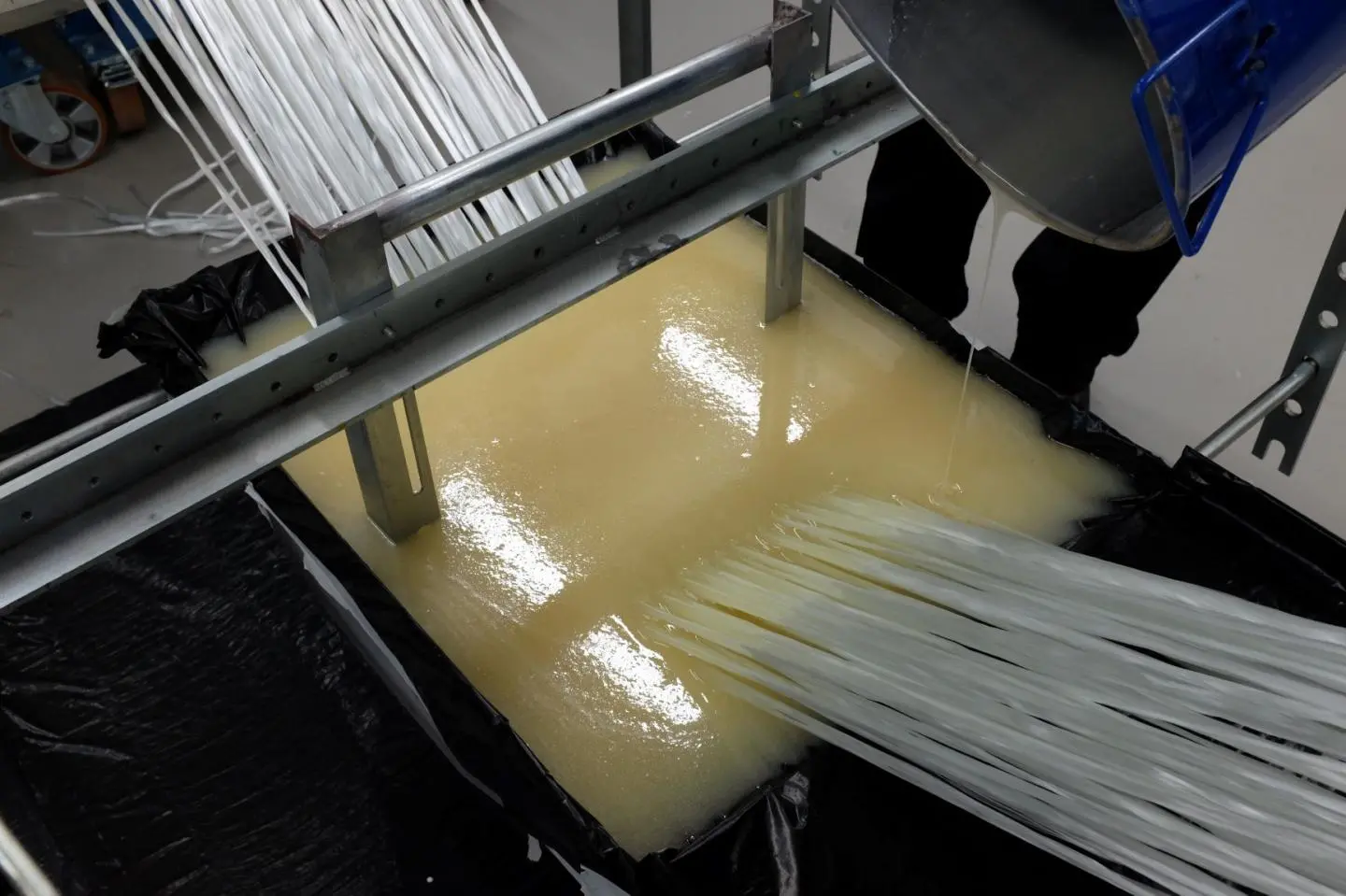
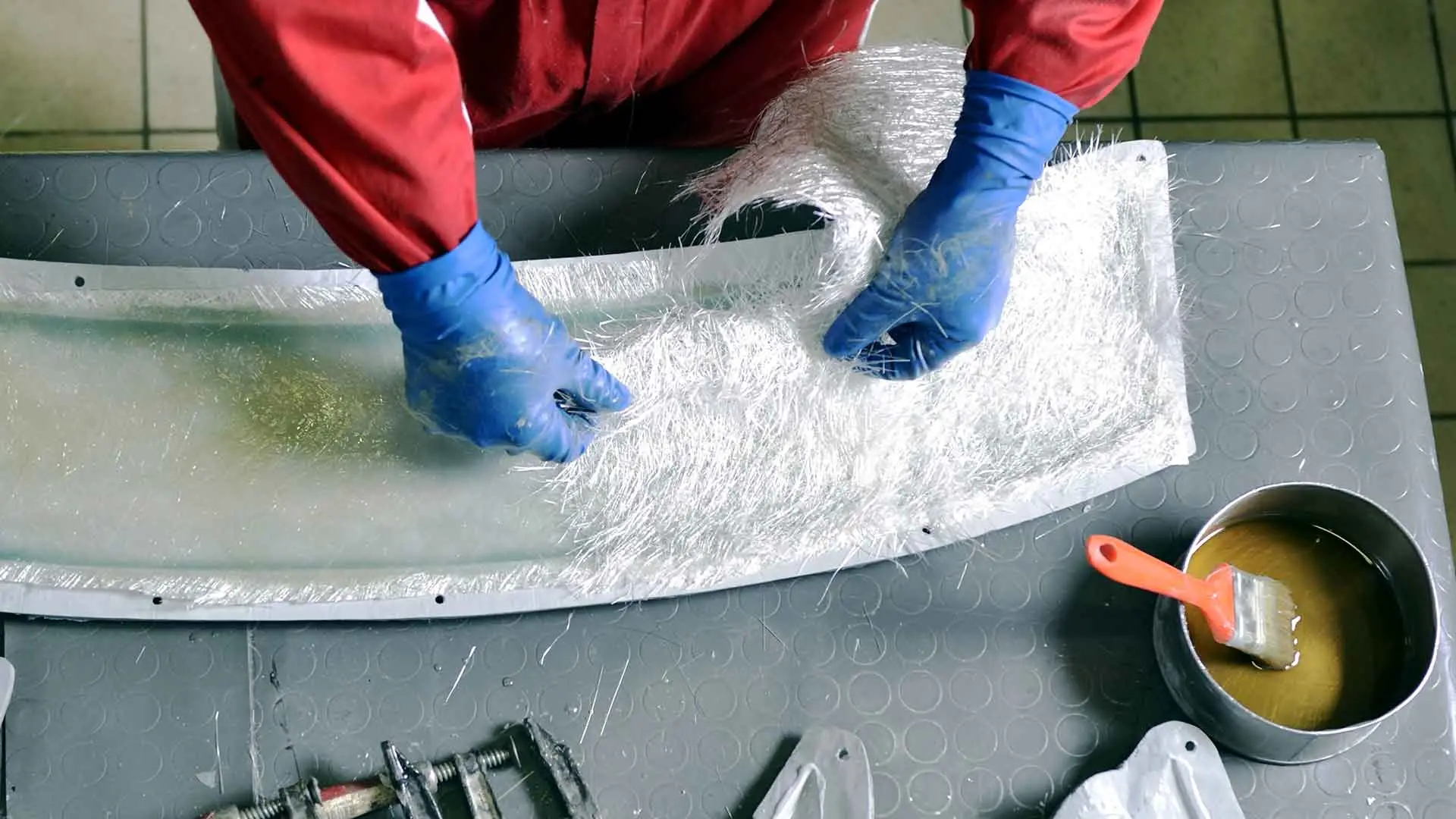
GRP (Glass Reinforced Plastic) is the European and British term for what is known as fiberglass or FRP (Fiber Reinforced Polymer) in American English. They are the same material – a composite made from a polymer resin matrix reinforced with glass fibers.
Composition
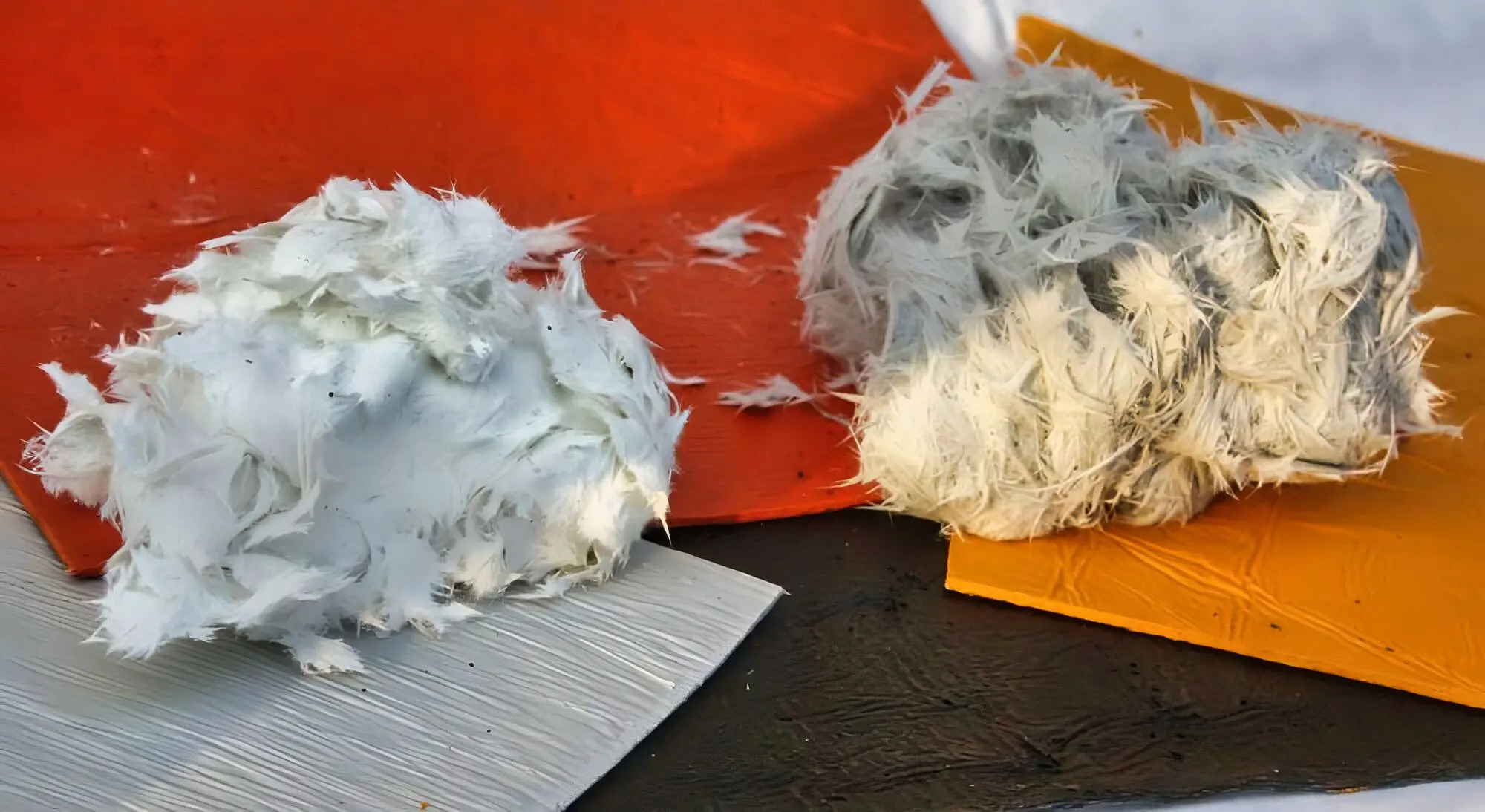
- Glass Fibers: Provide the structural strength and stiffness. E-glass is the standard; S-glass and C-glass offer enhanced strength or chemical resistance respectively.
- Polymer Resin: Bonds the fibers, transfers loads, and provides environmental protection. Common choices include polyester, vinyl ester, and epoxy resins.
Why GRP is Specified
- Corrosion Immunity: GRP does not rust, rot, or corrode, unlike steel and wood. This makes it the material of choice in marine, chemical, and outdoor environments.
- High Strength-to-Weight Ratio: GRP achieves tensile strengths comparable to steel at only a fraction of the weight (typically 70-80% lighter).
- Electrical Insulation: GRP is inherently non-conductive, providing natural electrical isolation.
- Design Freedom: Can be molded into virtually any shape, including complex curves and integrated structures.
- Low Thermal Conductivity: GRP provides natural thermal insulation, unlike metals which readily conduct heat.
Common GRP Applications
Boat hulls, water tanks, cooling tower components, architectural cladding, chemical processing vessels, cable trays, and structural profiles.