Thixotropic Resin: What It Is and Why It Matters for Vertical Surface Laminating
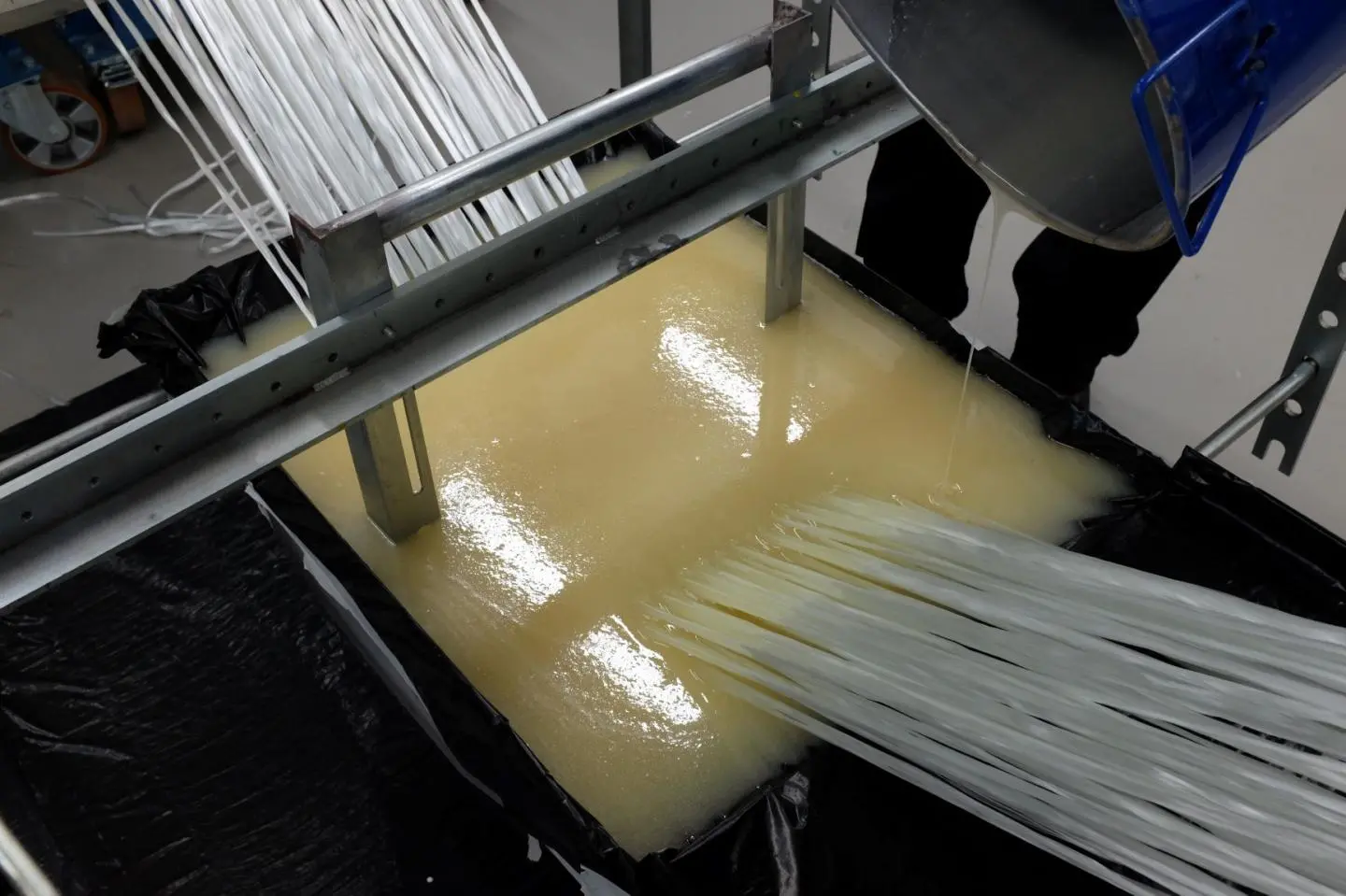
A thixotropic resin is a resin whose viscosity changes in response to shear force. At rest, it behaves like a thick gel. When stirred or applied with a brush, the shear force temporarily reduces its viscosity, making it flow. Once the agitation stops, it thickens up again almost immediately.
Why is Thixotropy Needed?
Standard (non-thixotropic) resins are low-viscosity liquids. When applied to a vertical or overhead mold surface, gravity causes them to drain away from the surface before they can gel and cure. This is unacceptable for quality lamination.
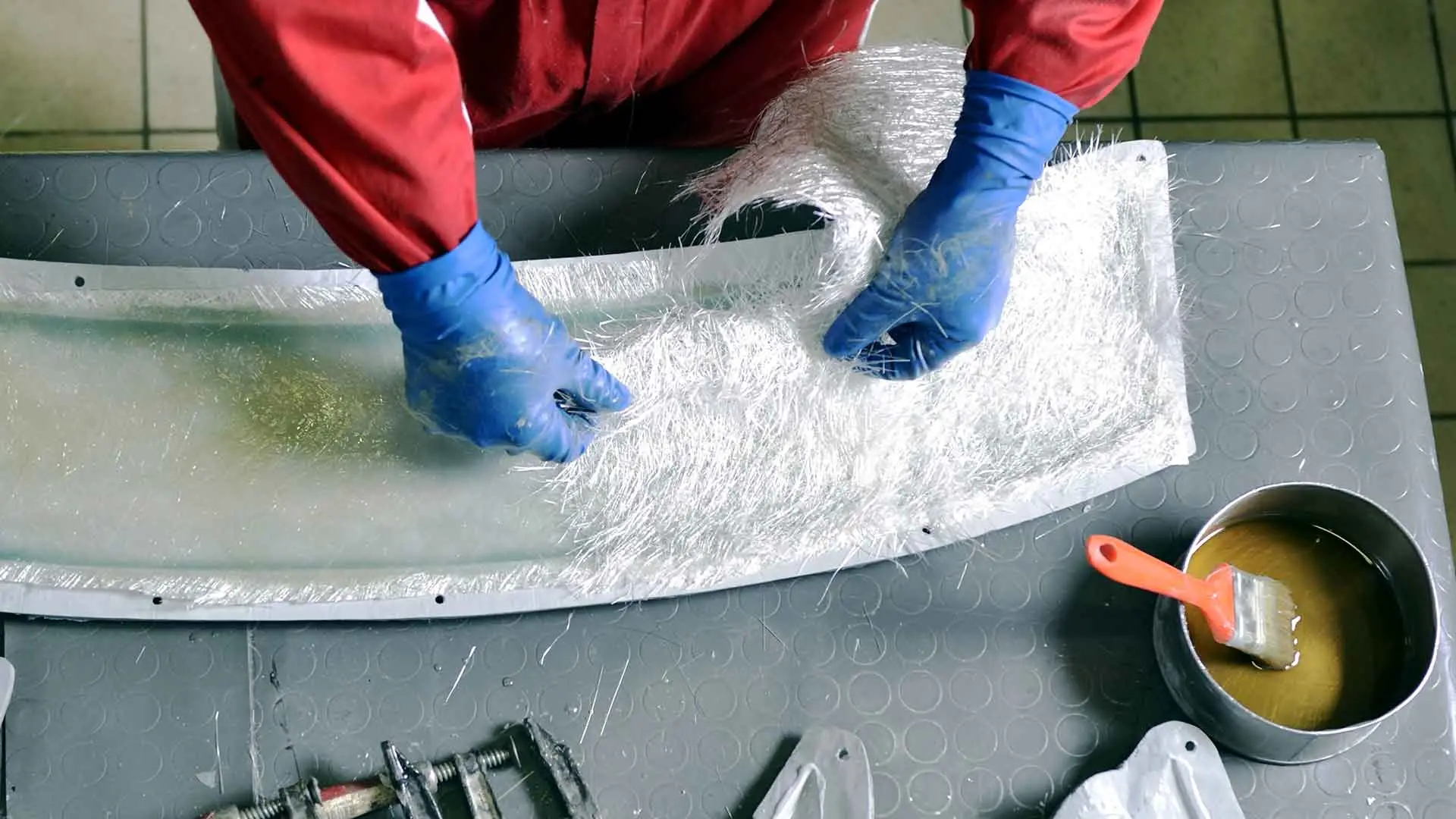
A thixotropic resin, by contrast, holds its position on vertical surfaces after application. The shear applied by a brush or roller temporarily liquefies it enough to spread and saturate fibers, but it then thickens back up and remains in place on the vertical wall.
Common Thickening Agents
- Fumed Silica (Aerosil): The most common thixotrope. Nano-scale silica particles form a hydrogen-bonded network in the resin that provides the gel-like structure at rest.
- Organoclays (Bentone): Clay-based thixotropes used in some specialty resin systems.
Applications
Thixotropic resins are essential for: repair work on existing structures, laminating the hull sides and decks of boats, applying gelcoat and laminate to vertical mold surfaces, and any application where the resin must not sag or drain before it gels.