What Are Composite Sandwich Structures and Why Are They Used?
A composite sandwich structure is a three-layer construction: two thin, stiff, and strong composite facing skins bonded to a lightweight core material in between. The result is a structural panel that achieves extremely high stiffness and bending strength at a very low overall weight.
How It Works (The I-Beam Principle)
The engineering principle is similar to an I-beam: most of a beam’s bending resistance comes from material located far from the neutral axis (the flanges), while the web simply keeps them apart. In a sandwich panel, the face skins act as the flanges (carrying tensile and compressive stress), while the core acts as the web (carrying shear loads and maintaining the separation between the skins).
Common Core Materials
- PVC Foam (e.g., Divinycell): The most common marine and wind energy core. Excellent balance of stiffness, strength, and water resistance.
- PET Foam: A recyclable, cost-effective alternative to PVC foam with good mechanical properties.
- Balsa Wood: A natural core material with very high compressive strength. Widely used in wind turbine blades and marine applications.
- Honeycomb (Nomex or aluminum): Aerospace-grade core material providing the highest stiffness-to-weight ratio of any core type.
- Syntactic Foam: Used in deep-sea applications due to its hydrostatic pressure resistance.
Skin Materials
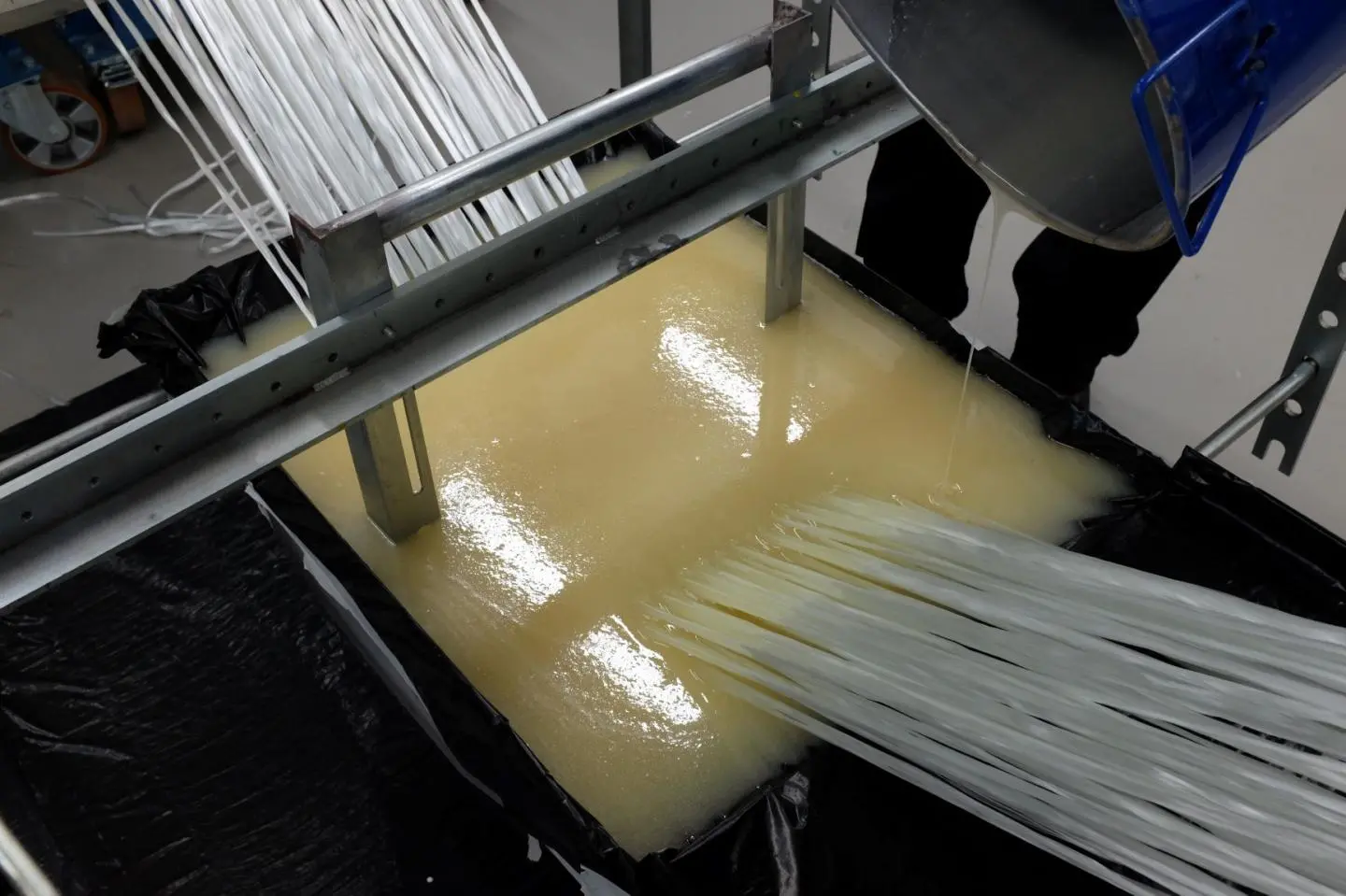
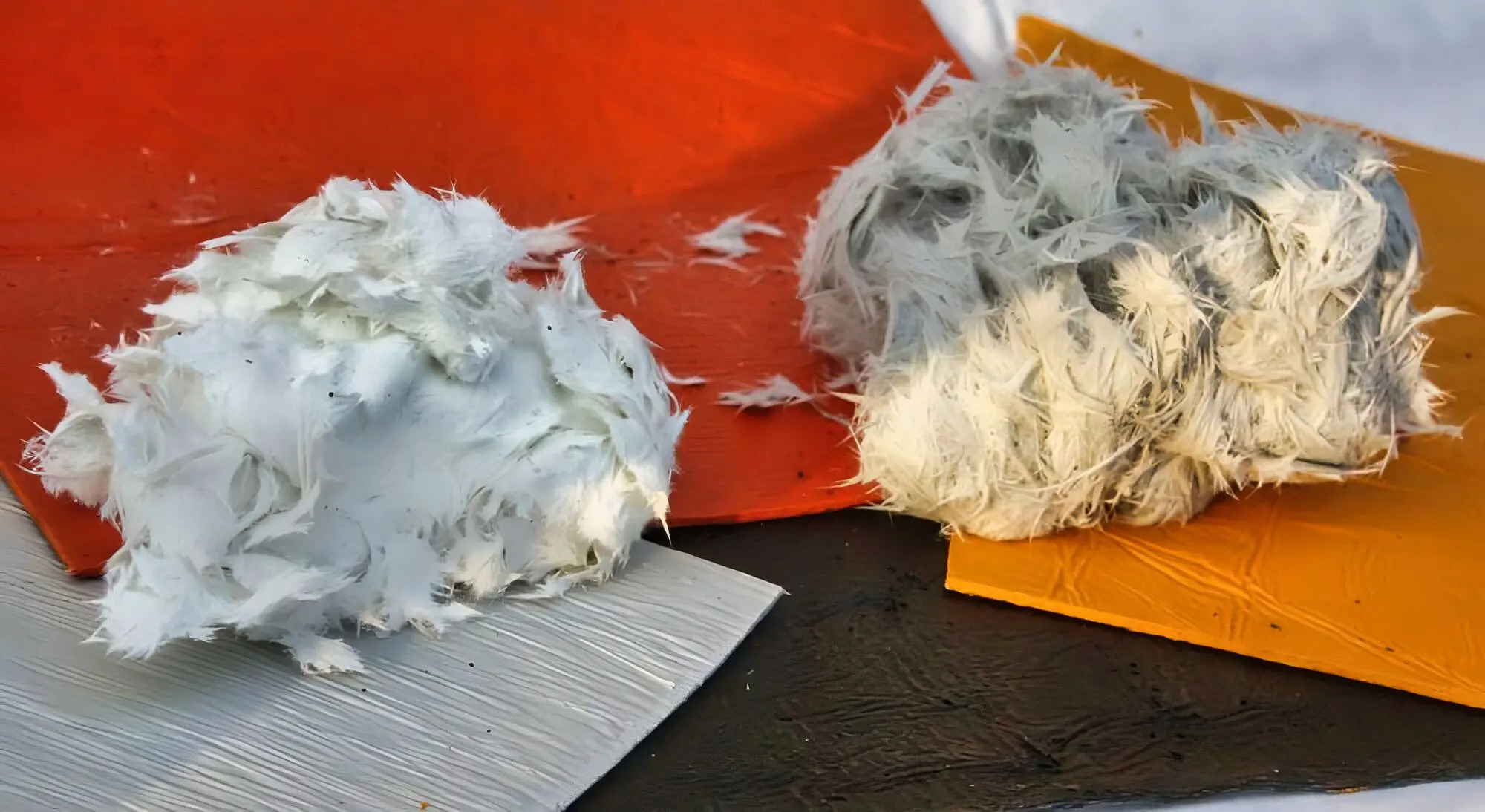
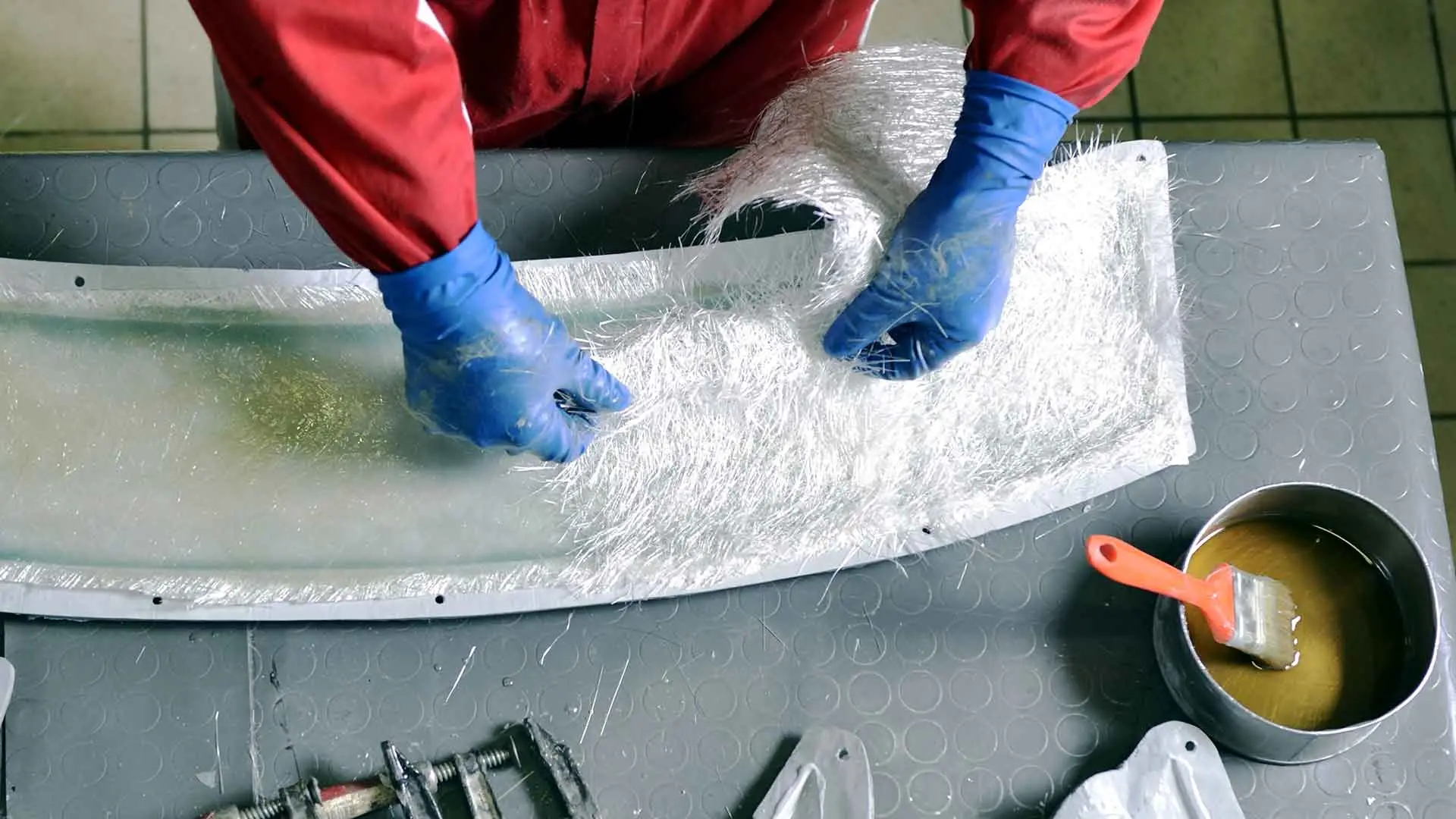
The face skins are typically fiberglass (GFRP) or carbon fiber reinforced polymer (CFRP) laminates, infused or laminated with epoxy or vinyl ester resin.
Applications
Wind turbine blades, boat hulls and decks, high-speed rail interior panels, truck body side panels, aerospace flooring, and architectural cladding.