What is FRP Grating and What Are Its Advantages Over Steel Bar Grating?
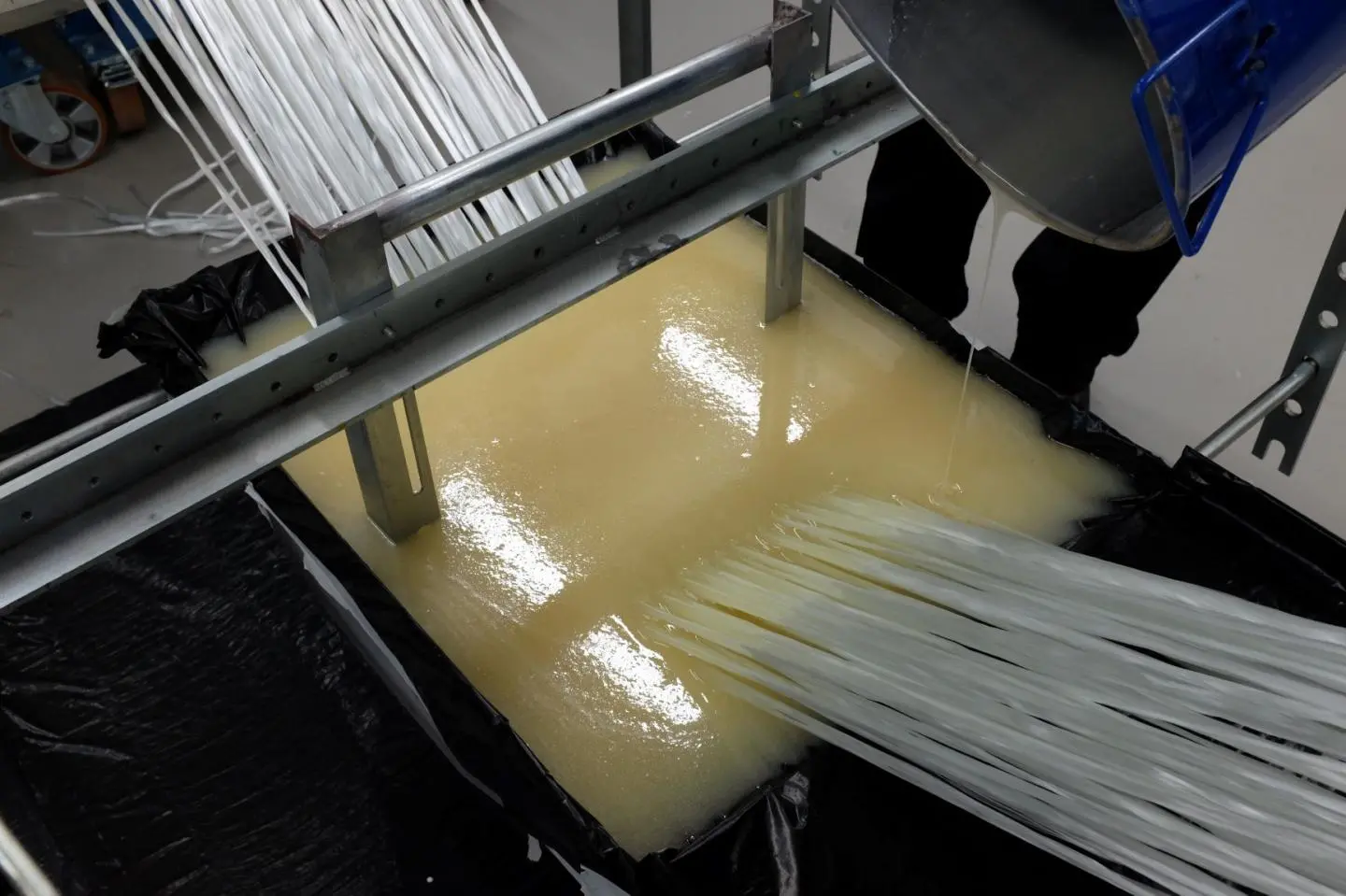
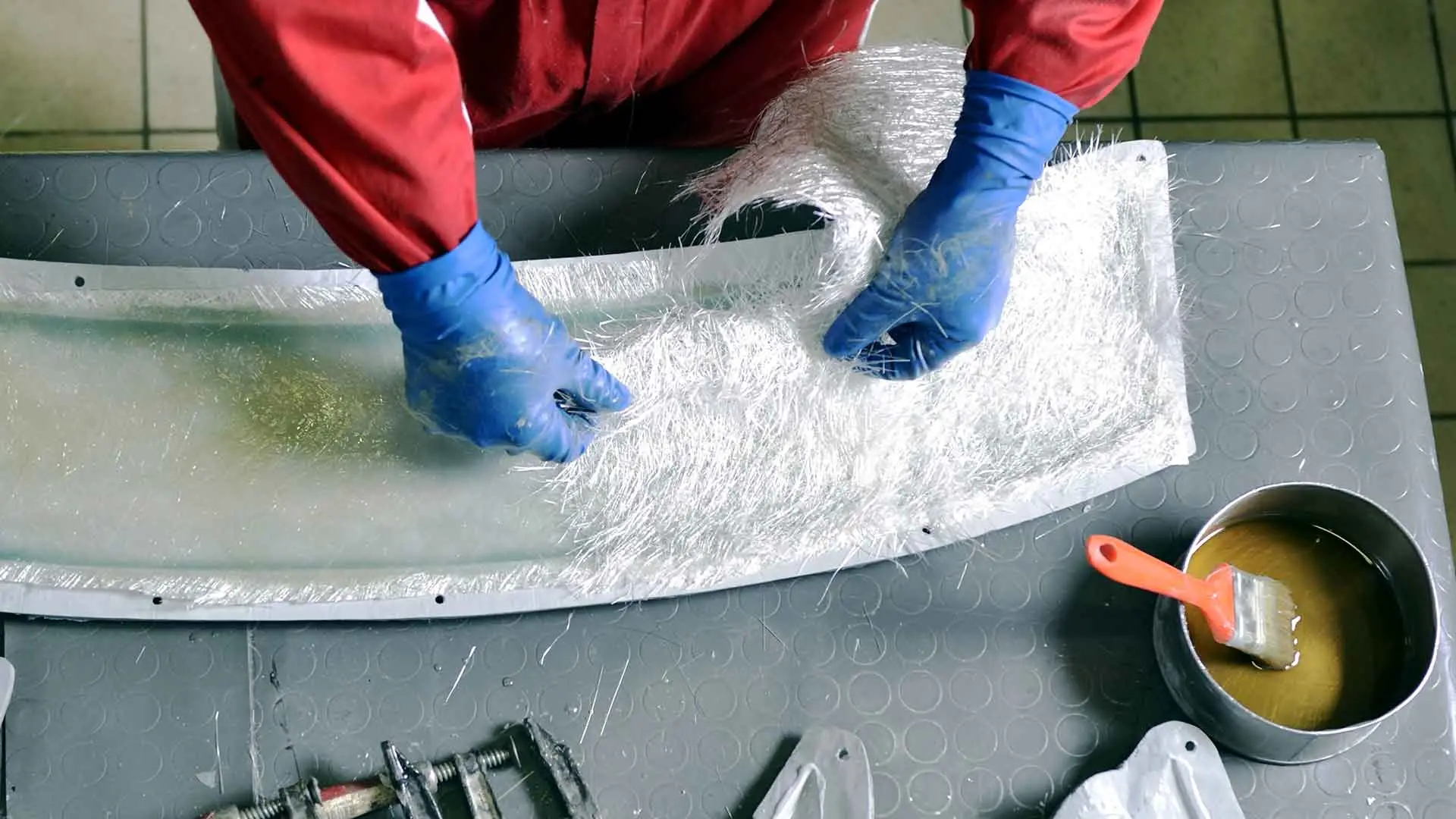
FRP grating (Fiberglass Reinforced Plastic grating) is a composite structural product used as floor panels, walkways, platforms, and drainage covers in industrial, marine, and civil infrastructure environments. It is manufactured using either a molded (cast in one piece) or pultruded (assembled from individual pultruded members) process.
Types of FRP Grating
- Molded FRP Grating: Made by placing glass fiber rovings in a grid pattern inside a mold, then filling with resin. The result is a one-piece panel with equal strength in both directions. Available in square, rectangular, and diamond mesh patterns.
- Pultruded FRP Grating: Individual I-bars or T-bars produced by pultrusion are mechanically fastened together. Provides higher load capacity in one direction (the bearing bar direction).
FRP vs Steel Bar Grating: Key Comparisons
- Corrosion Resistance: FRP is completely immune to rust and corrosion. Steel grating in chemical plants or coastal environments requires expensive painting and replacement. FRP needs neither.
- Weight: FRP grating is approximately 70-80% lighter than equivalent steel grating. This reduces structural load on supports, and dramatically lowers installation labor costs.
- Safety: FRP is inherently non-conductive (important near electrical equipment) and can be manufactured with anti-slip grit surfaces for safe footing in wet conditions.
- Low Maintenance: No painting, no galvanizing, no rust treatment. FRP grating is essentially maintenance-free over its lifespan.
- Cost: FRP grating typically has a higher initial purchase cost than carbon steel grating, but its total lifecycle cost is significantly lower when maintenance, replacement, and installation are factored in.