What is the Compression Molding process for composite materials?
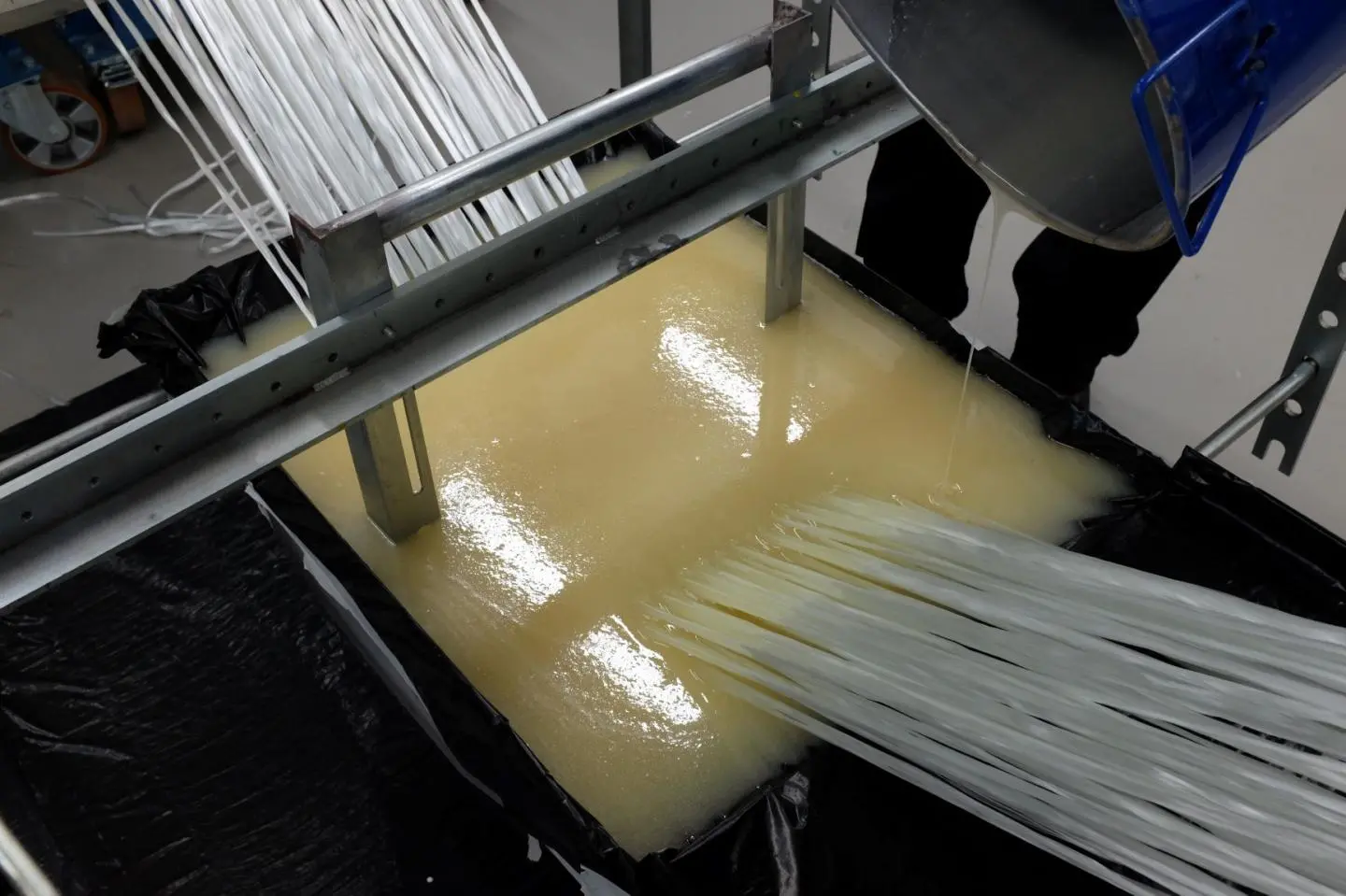
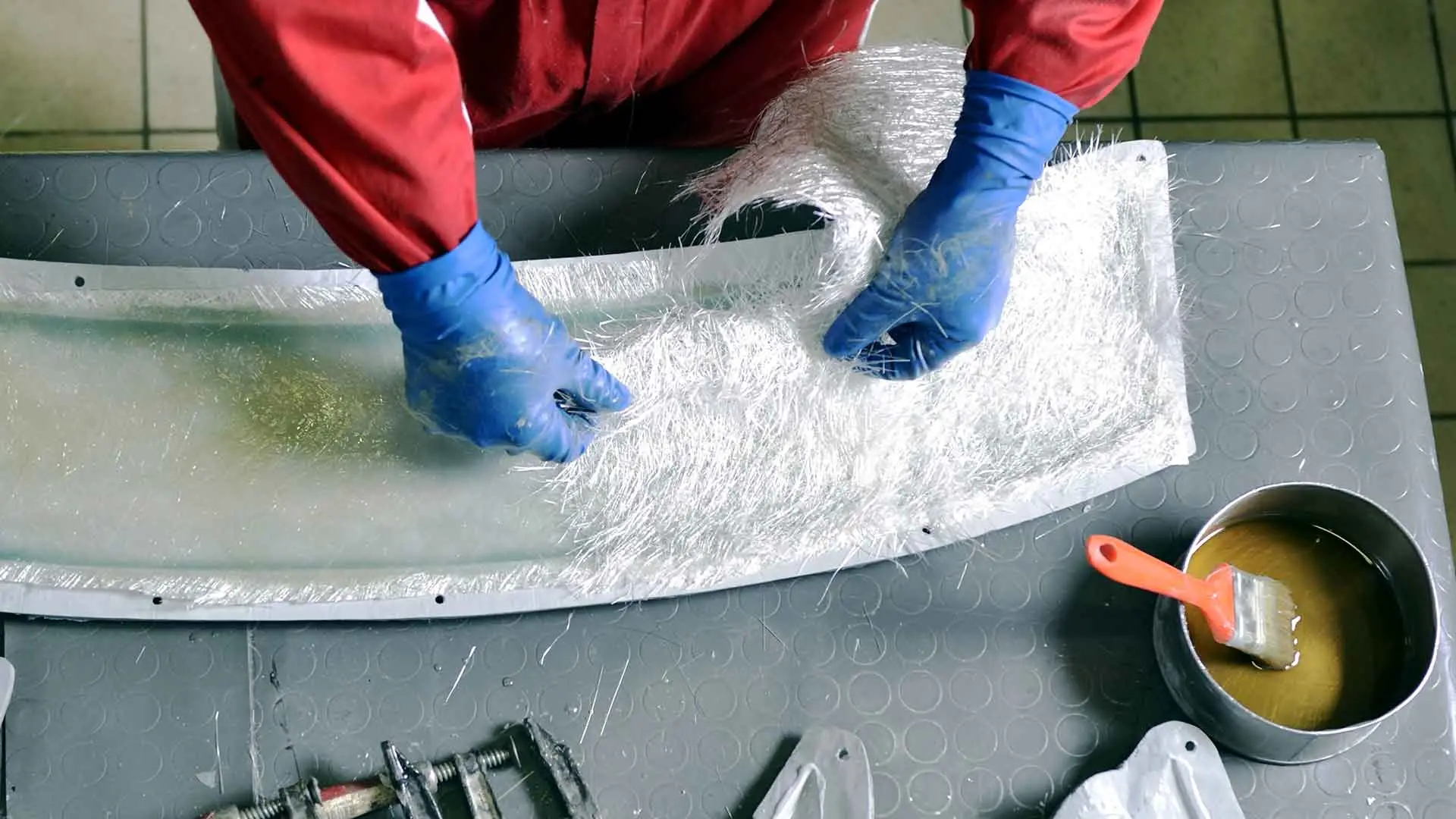
Compression molding is a high-volume, high-pressure manufacturing process specifically designed for thermosetting composite materials like Sheet Molding Compound (SMC) and Bulk Molding Compound (BMC).
How Compression Molding Works:
- Preparation: A precise amount of molding material (the “charge”) is weighed and prepared. For SMC, this means cutting sheets; for BMC, it means measuring a specific weight of the dough-like compound.
- Loading: The charge is placed into the open, heated lower half of a matched metal die (mold).
- Compression: The hydraulic press closes the upper half of the mold, applying intense pressure (often over 1,000 psi). The heat and pressure force the material to flow and fill the entire mold cavity.
- Curing: The material is held under heat and pressure until the thermosetting resin chemically cross-links and hardens (cures).
- Demolding: The press opens, and ejector pins push the finished, solid part out of the mold.
This process is highly efficient, produces little waste, and is ideal for manufacturing large, complex, and high-strength parts like automotive body panels.