Low Viscosity Resins for Vacuum Infusion: What to look for
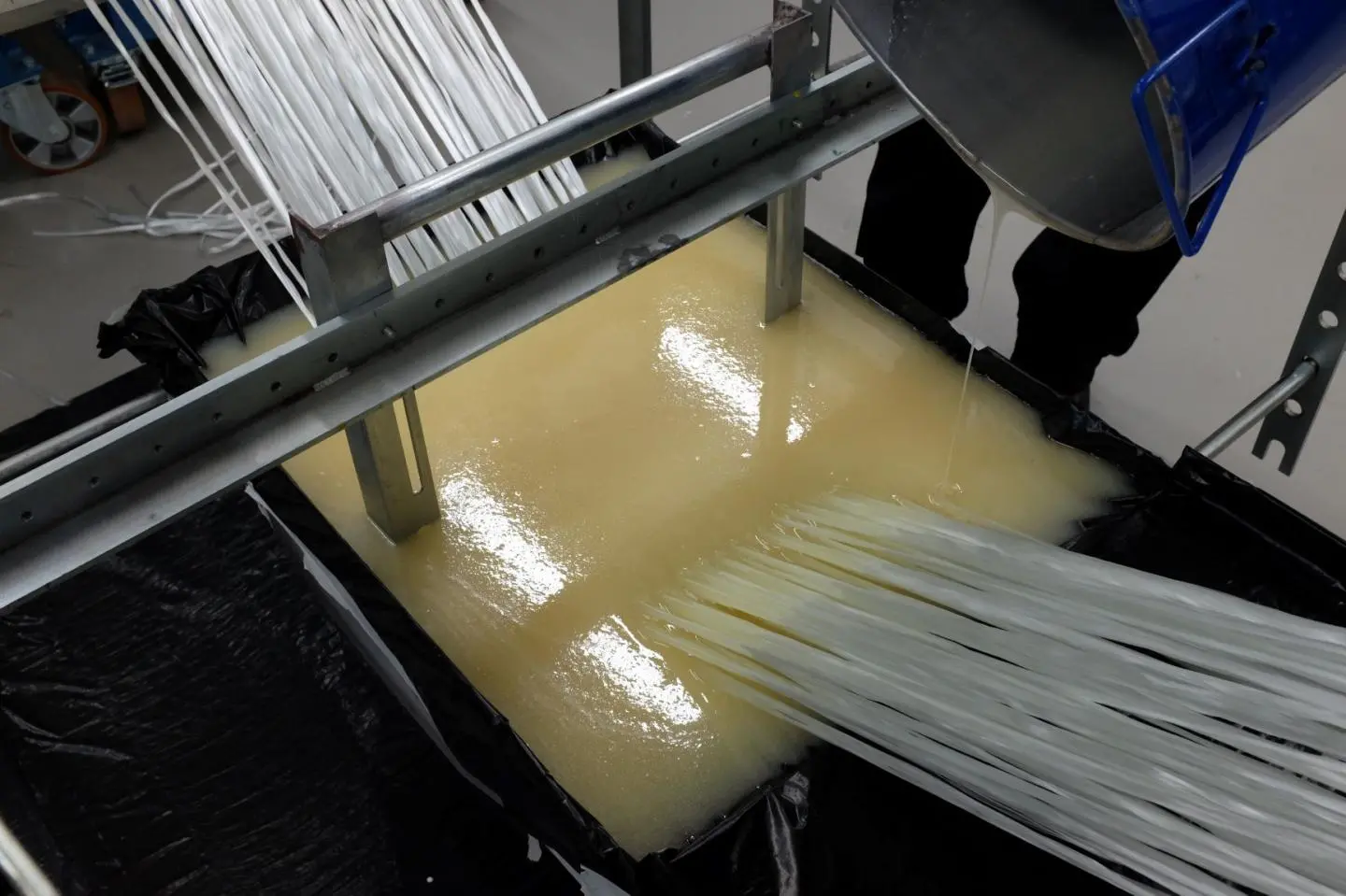
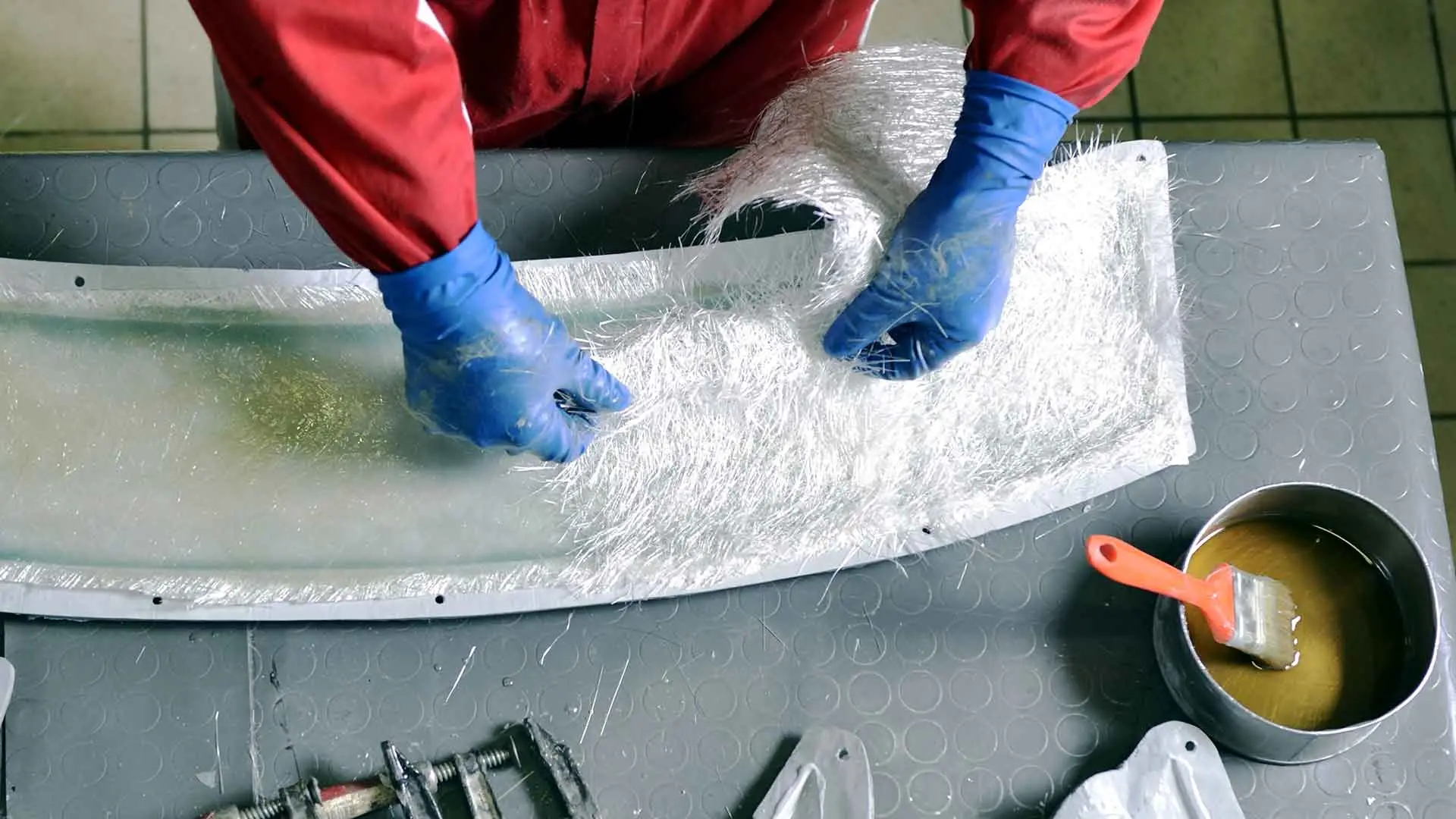
The viscosity of a resin — its resistance to flow — is a critical selection parameter for processes like Vacuum Infusion (VIP) and Resin Transfer Molding (RTM). Unlike hand lay-up where you apply resin directly with a brush or roller, infusion processes rely entirely on the pressure differential created by a vacuum to pull resin through a dry fiber preform.
Why Low Viscosity Matters for Infusion:
If the resin is too thick (high viscosity), it cannot travel far enough through the fiber network before it begins to gel (harden). This leads to dry spots — areas without resin — which represent a catastrophic structural defect in the final part. Therefore, resins used in vacuum infusion must have a low working viscosity.
Ideal Viscosity Range:
For vacuum infusion processes, the working viscosity of the resin system should be between 100 and 500 centipoise (cP) at the processing temperature. This is comparable to the consistency of water (1 cP) to light oil (200 cP).
Key Properties to Evaluate for Infusion Resin:
- Initial Viscosity: How thick is the resin at the start of the infusion? Lower is better for large parts.
- Pot Life / Gel Time: How long does the resin remain workable (below a certain viscosity threshold) before it starts to gel? Must be long enough to fully wet out the entire preform.
- Tg After Cure (at room temperature): Does the cured composite achieve the required mechanical properties without a post-cure oven treatment?
- Exotherm: The heat generated during curing. Extremely large infused parts can trap heat, so a slow-curing, low-exotherm resin is preferred.